Resource Guides
Lunchbox Guides & Resources
Comprehensive guides covering every aspect of school lunch planning — from nutrition and allergies to budgeting and food safety.
8 in-depth guides covering nutrition, allergies, budget, seasonal produce, food safety, and more — written for NZ families.
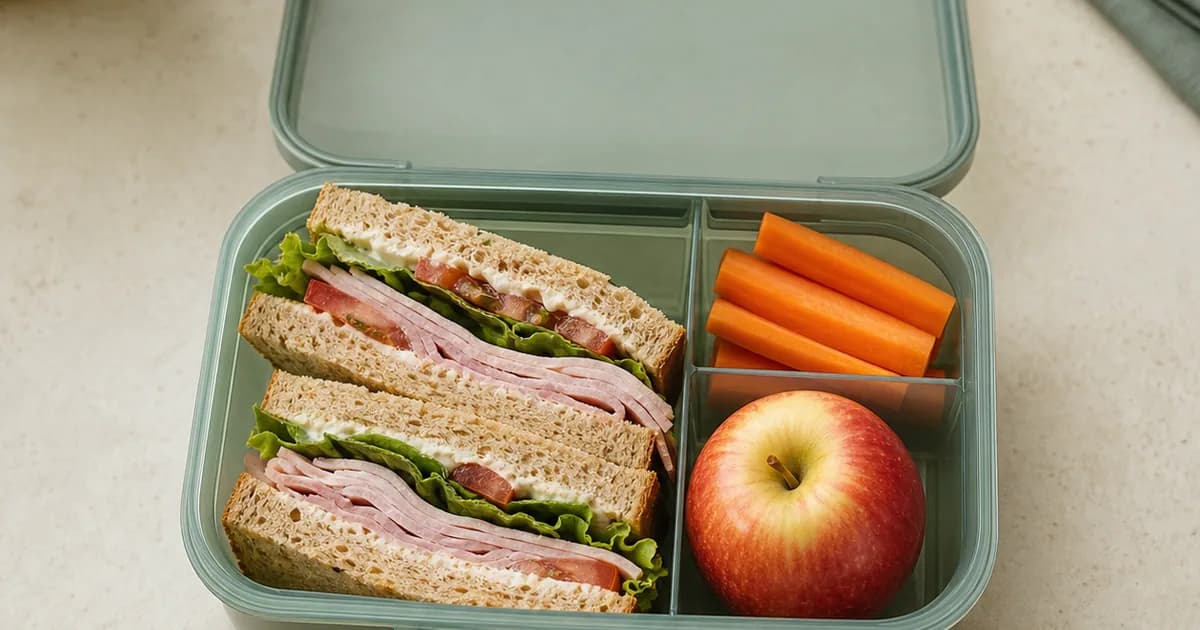 Nutrition
January 5, 2026 · 15 min read
The Complete Nutrition Guide for NZ School Lunches
How to pack a balanced NZ school lunch — portion sizes, Ministry of Health guidelines, and what each food group costs per lunch from our price tracking.
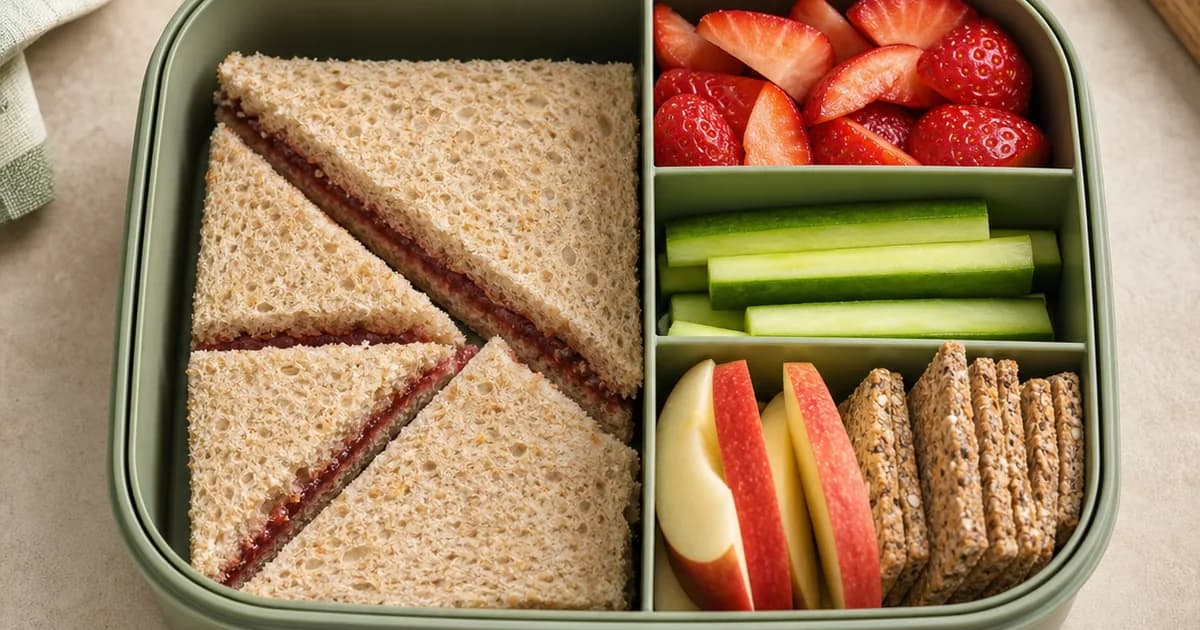 Allergy Friendly
January 22, 2026 · 13 min read
Allergy Management for School Lunchboxes: A NZ Parent's Complete Guide
Managing food allergies in NZ school lunchboxes — the allergens NZ labels must declare, nut-free school policies, safe swaps and emergency planning.
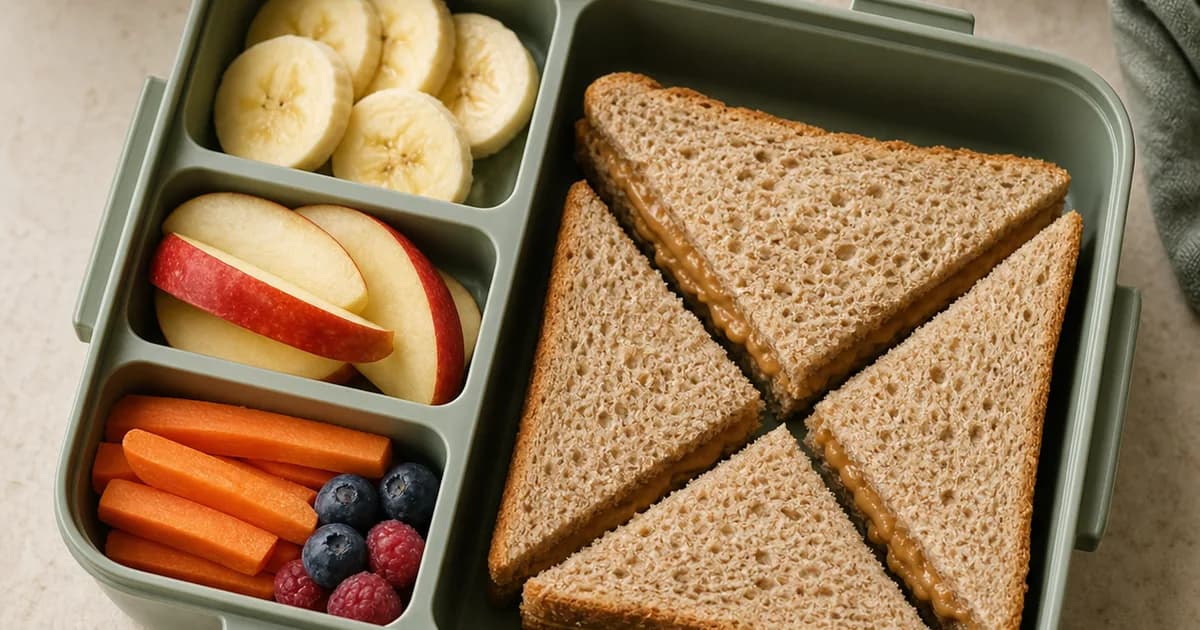 Budget
February 8, 2026 · 13 min read
Budget Lunchbox Planning: Feed Your Kids Well for Under $15/Week
Packing healthy school lunches on a tight budget in NZ — weekly meal plans, Woolworths vs Pak'nSave price comparisons, and batch-cooking that works.
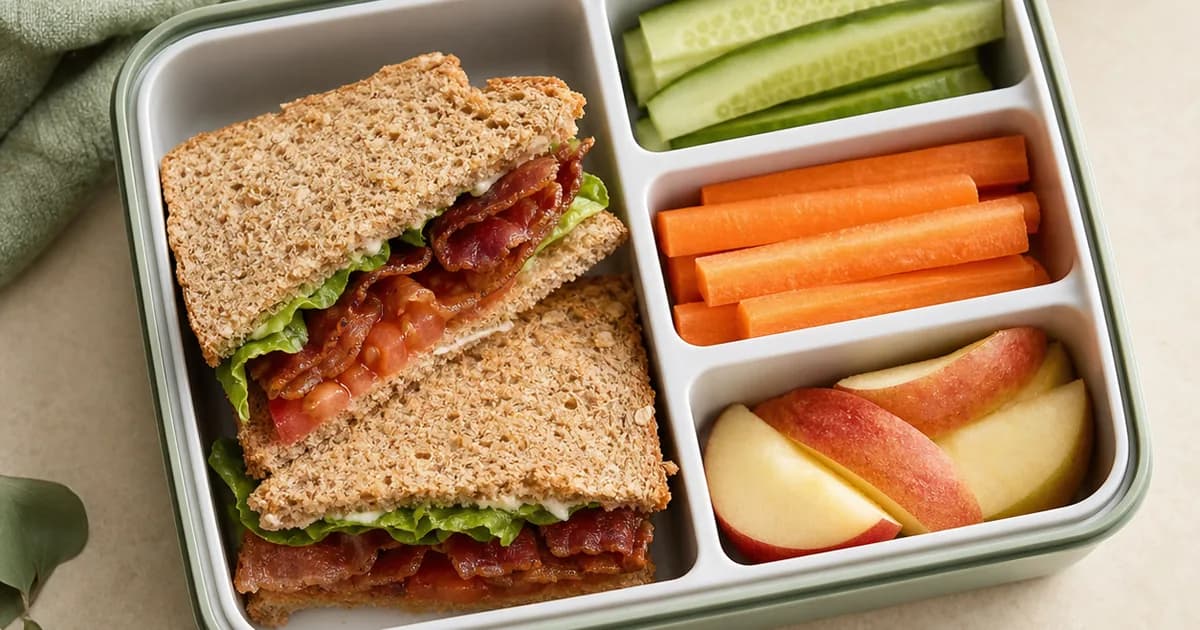 Seasonal
February 19, 2026 · 13 min read
NZ Seasonal Produce Calendar for School Lunches
What is in season month by month across New Zealand, with lunchbox ideas, storage tips, and what each item has actually done in the weekly mailers.
 Parenting Tips
March 5, 2026 · 9 min read
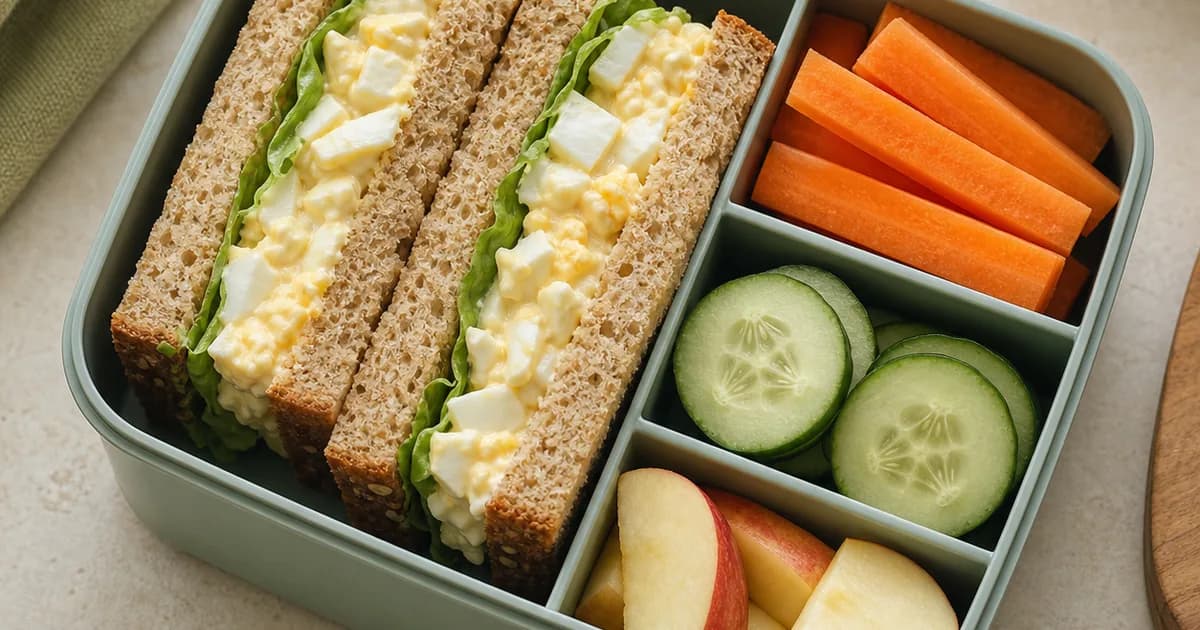
Understanding Your NZ School's Lunchbox Policy
Navigating NZ school food policies — what is typically allowed and banned, nut-free rules, cultural food days, and how to talk to your school.
 Gear & Tips
March 18, 2026 · 12 min read
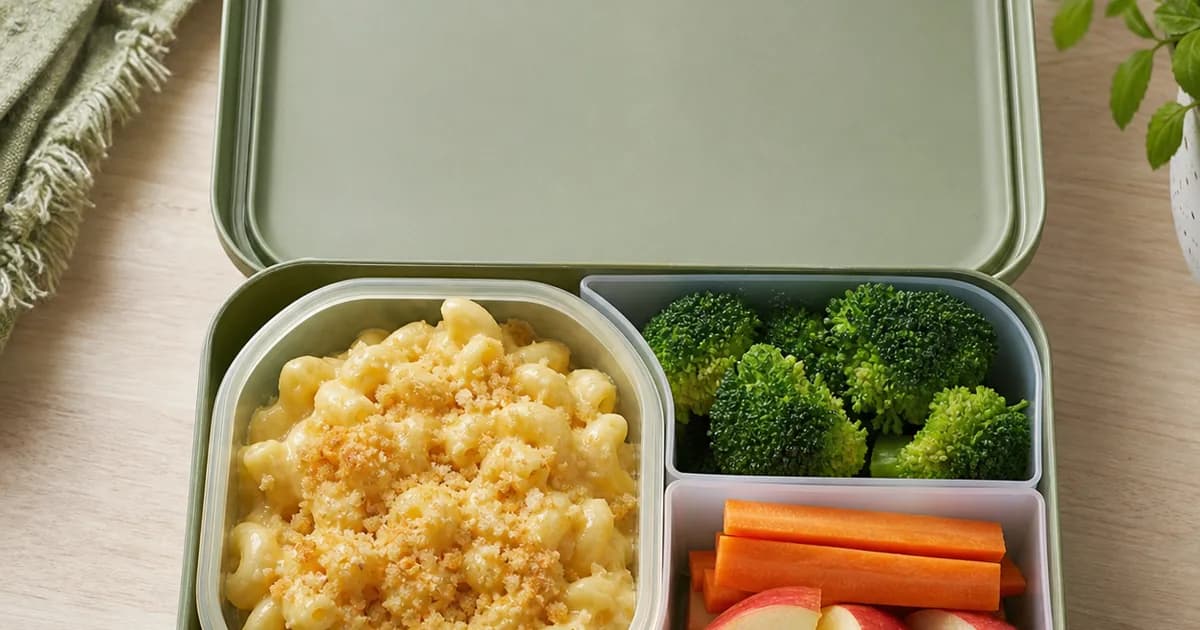
Food Safety for School Lunchboxes: Temperature, Storage & Packing
Keeping school lunches safe from bacteria — the temperature danger zone, insulated bags, ice packs, and which foods need refrigeration in NZ.
 Recipes
April 1, 2026 · 14 min read
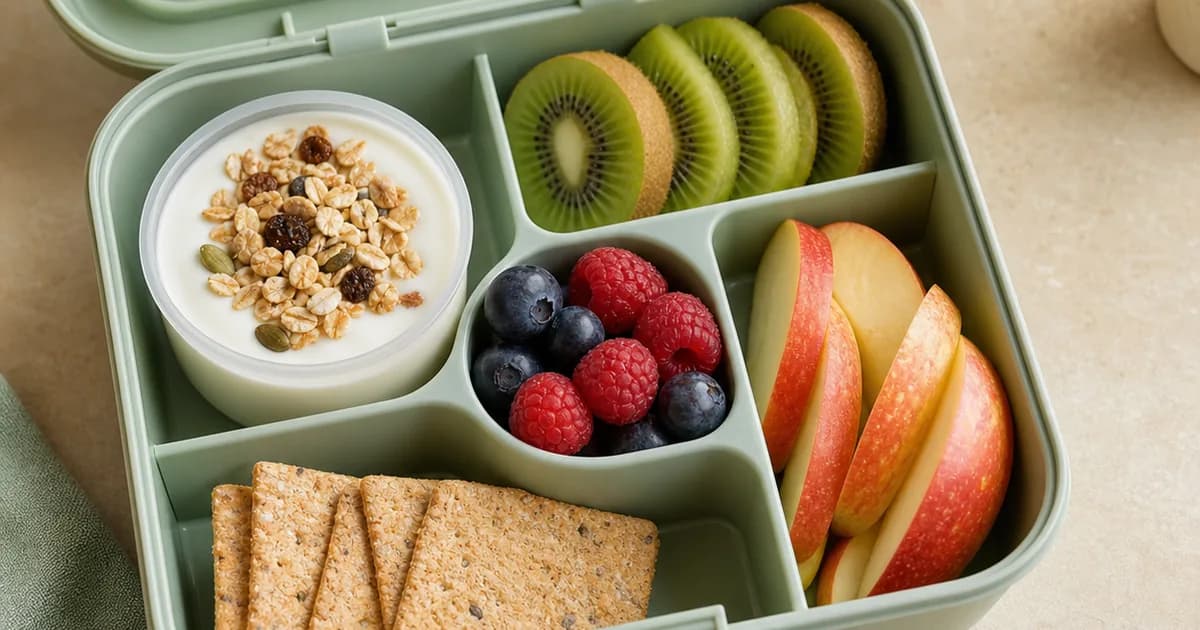
The Complete Guide to Healthy School Snacks in NZ
School-safe snacks for NZ kids — morning tea ideas, nut-free options, and what each costs per serve at regular Woolworths shelf prices.
 Food Safety
October 12, 2026 · 7 min read
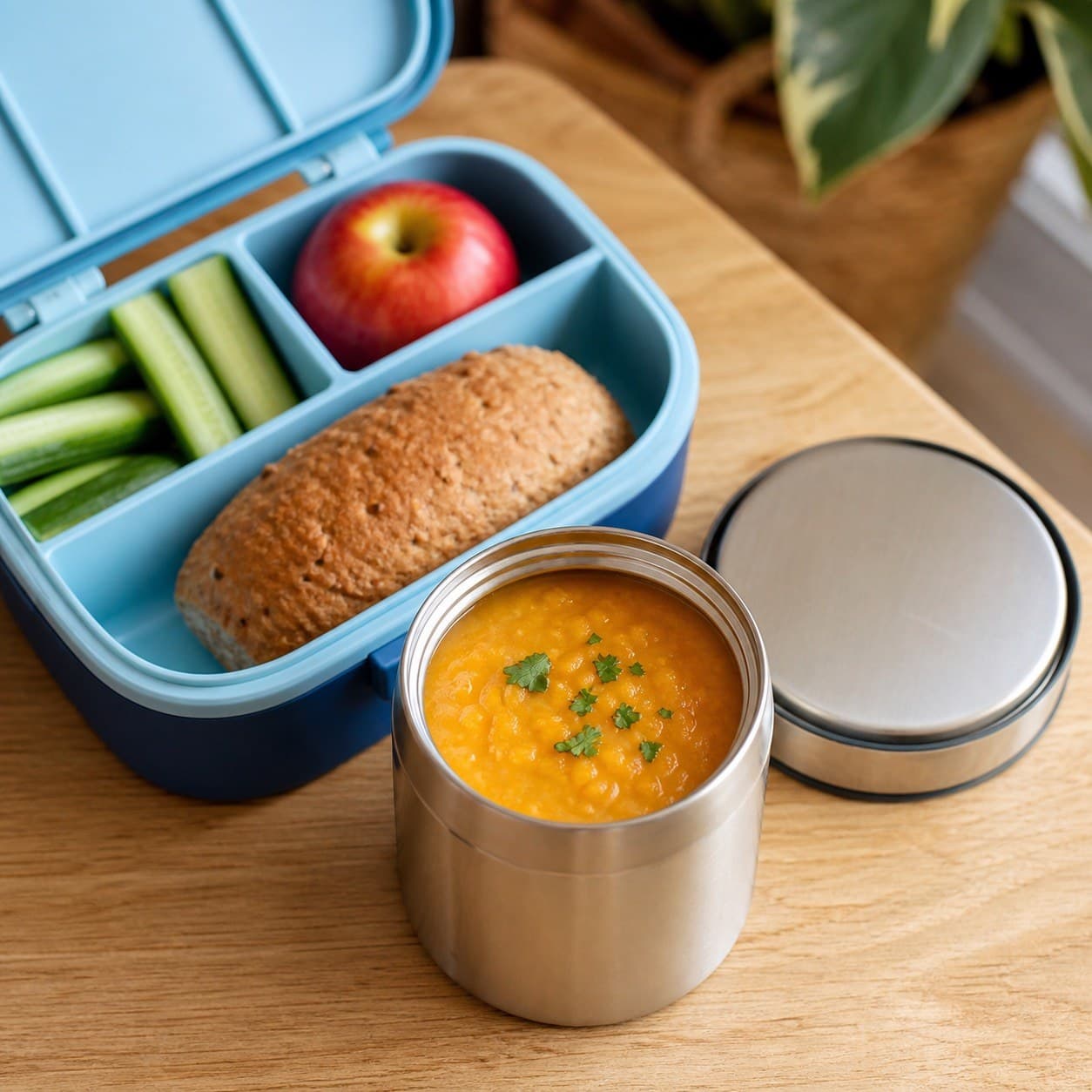
Kindy Lunchboxes in NZ: The Choking Guidance in Plain English
What the Ministry of Health's choking guidance for early learning services says to leave out of a kindy lunchbox, and how to cut up the rest.
 Nutrition
April 14, 2026 · 9 min read
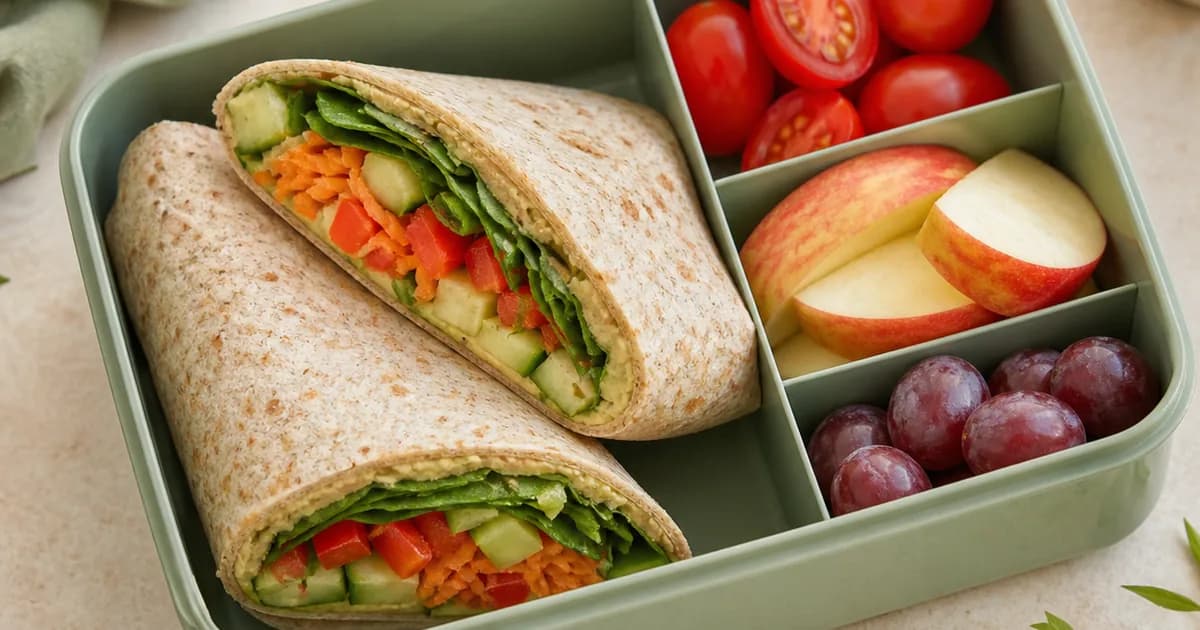
Vegetarian & Vegan School Lunches: A Complete NZ Guide
Vegetarian and vegan NZ school lunches — protein, iron and B12, plus what our price tracking shows: a meat-free main costs about half a meat one.
How these guides are researched
Every guide on Kiwi Lunchbox is written by Yong Jae Lee, the Auckland-based solo operator of the site, and reviewed against publicly available New Zealand Government and Heart Foundation NZ guidance before publishing. The aim is to translate dense official documents — often 40 to 80 pages — into a parent-readable framework that survives a Monday-morning lunchbox decision.
The sources I lean on most often:
- Ministry of Health NZ — Eating and Activity Guidelines for New Zealand Adults and Children, Healthy Food and Drink Guidance for Schools (2020 update), and the Nutrient Reference Values jointly published with Australia. These are the backbone of all age-band serving recommendations.
- Heart Foundation NZ — label-reading guidance (why to compare the per-100g column, and how the Health Star Rating is meant to be used) and its school food environment resources.
- 5+ A Day Charitable Trust — the 5+ A Day fruit and vegetable message and the seasonal produce resources behind the seasonal calendar.
- Food Standards Australia New Zealand (FSANZ) — particularlyStandard 1.2.3 and the Plain English Allergen Labelling (PEAL)guidance that became mandatory in February 2024. Allergy guides on this site assume PEAL-format labels.
- Ministry for Primary Industries (NZ Food Safety) — the5–60°C danger zone with its four-hour limit, the two-hour rule for refrigerating leftovers, and the consumer food safety at home guidance. Used wherever a guide touches storage, transport, or seasonal heat. The tighter one-hour margin we use above 30°C is our own, not theirs.
- Allergy New Zealand — anaphylaxis action plans, school-policy guidance, and the prevalence statistics quoted in the allergy guides.
- Ministry of Education NZ — term dates, theKa Ora, Ka Ako | Healthy School Lunches Programme, and the broader policy framework that informs what schools accept in lunches.
Editorial process for each guide
A new guide goes through a consistent pipeline before it is published:
- Topic selection — driven by recurring questions from parent feedback (contact-form messages), gaps in the existing guide library, or changes in NZ public health guidance (e.g., the PEAL allergen labelling transition).
- Source review — I work through the latest version of the relevant Ministry document or Heart Foundation resource, plus any peer-reviewed NZ-specific data referenced inside. Where international guidance is referenced, I confirm it aligns with the NZ position before including it.
- Drafting — guides aim for 1,500–3,000 words and translate official guidance into practical decisions a parent can make at a supermarket aisle or kitchen counter. First-person operator voice is kept where personal experience adds context.
- Cross-check — facts that affect food safety, allergy, or nutrient adequacy are re-verified against the source before publishing. Where a guide gives a specific number — a survey percentage, a temperature limit, a price — it says where the number came from, and where there is no NZ figure to cite it says so rather than borrowing one (the nutrition guide deliberately prints no pass/fail sugar or sodium cut-offs).
- Last-reviewed dating — each guide carries a publish date and a last-reviewed date. Guides are reviewed annually at minimum, and sooner when the underlying guidance changes (PEAL, new Ministry update, significant NZ price shift).
- Corrections process — readers can flag errors through the Contact page. Verified corrections are applied within 48 hours and the last-reviewed date is updated. Substantial factual corrections are noted in the article footer.
Who these guides are for
Each guide is written for adults responsible for school-age children in New Zealand. The default reader assumption is:
- You have a child between Year 1 and Year 13 in a NZ school (mainstream or kura).
- You are the parent, caregiver, grandparent, or legal guardian who actually packs the lunchbox.
- You are not looking for medical or allergy advice tailored to your child — for that, the right step is a GP visit or a registered dietitian.
- You are interested in practical decisions: which ingredient to choose, which day of the week to do prep, which supermarket has the better price this term.
If a guide drifts into territory that should be handled by a clinician (a child with diagnosed coeliac, anaphylaxis, growth concerns, or a sensory feeding condition), the guide says so explicitly and points to the right professional. The site does not pretend to substitute for medical advice.
What each category covers
The guide library is organised into the following themes:
- Nutrition — the four NZ food groups and what each costs, age-based portion guidance, reading labels (the per-100g column and the Health Star Rating), the common gaps in NZ lunchboxes (iron, calcium, fibre, vitamin D), and vegetarian and vegan lunches.
- Allergy & intolerance — nut-free policies, egg-free lunches, dairy alternatives, PEAL label reading, school policy navigation, and anaphylaxis management overview.
- Budget & supermarket — Pak'nSave vs Woolworths vs New World price tracking, weekly Price Index methodology, batch-cooking economics, and seasonal price patterns.
- Seasonal produce — what is in season month-by-month in NZ, term-by-term lunchbox examples, storage tips, and frozen, dried and canned produce for stretching the season.
- Safety & gear — the temperature danger zone and the 2-hour / 4-hour rule, which lunchbox foods must stay cold, insulated bags, ice packs and Thermos flasks, and how to adjust between warm and cool terms.
- Policy & school environment — what NZ schools typically allow and ban, nut-free versus nut-aware rules, cultural food days, Ka Ora, Ka Ako school lunches, and how to raise a question with your school.
Editorial scope. Guides on this site are general information, aligned with public NZ Government and Heart Foundation guidance. They are not personalised medical or dietary advice. For specific concerns about your child's growth, allergies, nutrient adequacy, or feeding behaviour, please consult your GP, paediatrician, or a registered dietitian. See the Terms and Privacy Policy for the full disclaimer and data-handling overview.
Ready to Plan Your Week?
Use our free planner to generate a week of healthy lunches in seconds.
Try the Planner →