Yong Jae Lee
Published: February 8, 2026 · Reviewed: September 2026 · 13 min read
Researched and written by Yong Jae Lee · Content follows NZ Ministry of Health guidelines
Packing healthy school lunches on a tight budget in NZ — weekly meal plans, Woolworths vs Pak'nSave price comparisons, and batch-cooking that works.
The Reality of Lunchbox Costs in New Zealand
Let's be honest about the numbers. Packing school lunches is a meaningful weekly grocery cost — and for a family with two or three children it quietly adds up to thousands of dollars a year, an expense that often flies under the radar.
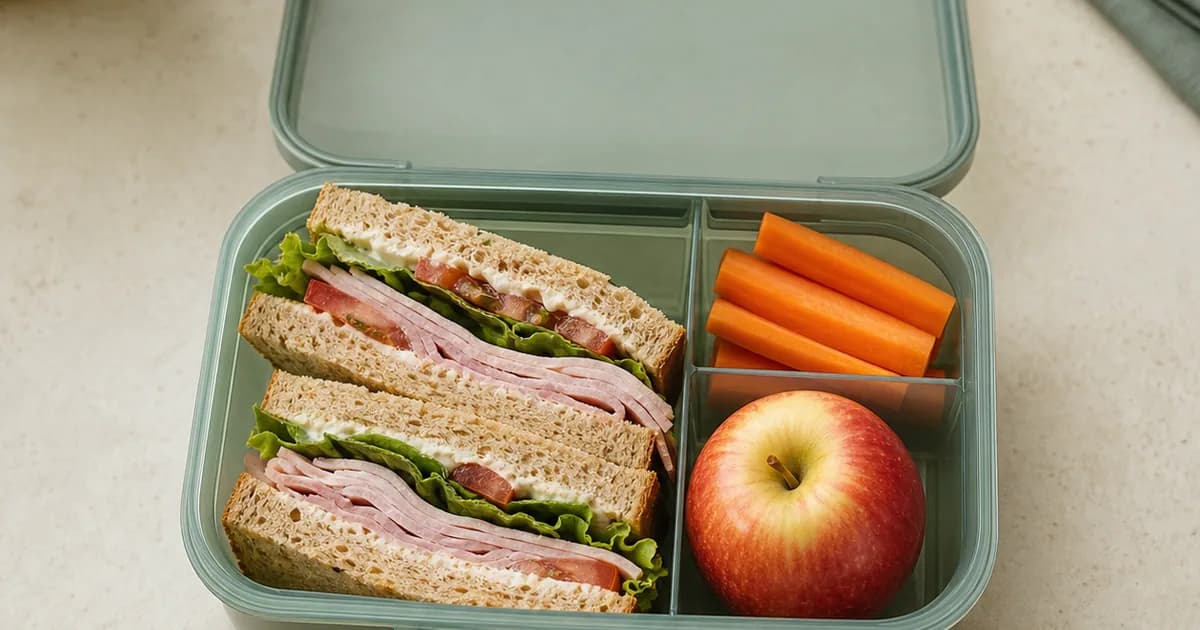
So let's start with the honest baseline rather than the aspirational one. Costed against tracked supermarket prices, a lunchbox from our menu set has a median cost of about $3.70 — main plus a fruit and a second snack. The range runs from about $2 to $7.10 depending on what the main is. 20 of our 94 menus come in under $3.
That means the $15-a-week target this guide is built around — $3 a box — is achievable, but it is not the default. You get there by choosing, not by hoping. This guide is about which choices actually move the number.
A correction worth flagging. Earlier versions of this guide quoted lower figures, including a week at $2.09 a box. Those came from a costing bug we found and fixed in July 2026, which was mis-handling how much of a supermarket pack a single lunch uses. Every figure below has been rechecked. If you saw the old numbers and couldn't reproduce them, that's why — and you were right.
Price note: The weekly plan below is costed from regular Woolworths shelf prices — not specials — re-read from their online shop each week and current as of October 2026. Those figures are generated from the data, not typed in, so they move when the shelf does. The store-brand comparison further down is a different thing: a hand-recorded in-store snapshot from East Auckland during 2026, not part of the weekly tracking, so read its ratios rather than its absolute prices. Multi-chain regular prices live at the NZ Lunchbox Price Index. Prices vary by region and store.
The Budget Lunchbox Principles
Before we get to specific meals and shopping lists, here are four principles that make budget lunchboxes work:
1. Cook from Scratch Where It Counts
Baking is where the gap between packaged and homemade is easiest to check. The homemade side below is the banana oat muffin recipe from our healthy snacks guide, costed from its gram weights at the Woolworths prices we track; the store-bought side is the hand-recorded snapshot described in the price note above:
| Item | Store-bought | Homemade | Per unit | Saving |
|---|---|---|---|---|
| Muffin | $5.00 for 6 | $6.28 for a batch of 12 | 83c vs 52c | 37% |
How this table used to be wrong — twice. Until August 2026 the saving column compared the two totals even when the pack sizes differed, which is meaningless; the percentage above is per unit. Then in September 2026 we found that the homemade column had been typed in by hand: it put a batch of twelve muffins at $1.50, while the recipe it describes costs what the row now shows. The muesli bar, hummus and sushi rows had the same problem and no recipe on this site to cost them from, so they have been taken out rather than guessed at.
You don't need to make everything from scratch. Baking is a good place to start.
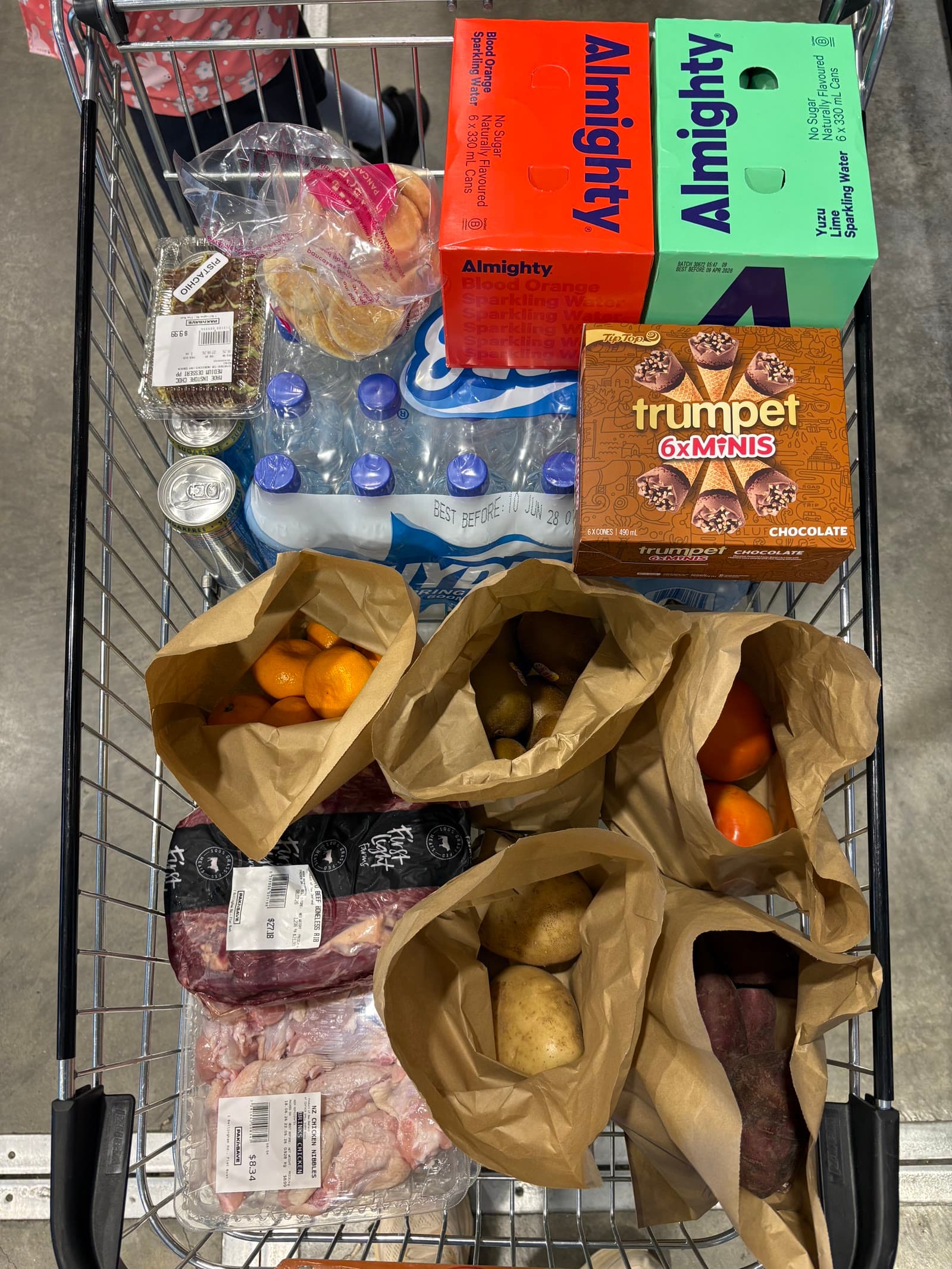
2. Buy Staples at Pak'nSave, Extras at Woolworths
We track the price of 20 staples every week at both chains — read from each one's own online shop, with the Pak'nSave store set to Ormiston. Of the 14 items we can follow back to our first round on 2026-05-16, Pak'nSave is cheaper on 11. Woolworths was cheaper on lettuce and sliced ham. Flour, sugar and frozen vegetables are not in the index, so this guide makes no claim about them.
What the index does not measure is range — specialty sauces, bakery lines, free-from products. If you need those, that is a separate reason to go to Woolworths, not a price one.
If you shop at one store, Pak'nSave will save you the most. If you have time for two stops, buy your weekly staples at Pak'nSave and pick up fresh items and specials at Woolworths. Pak'nSave vs Woolworths: Lunchbox Staples Price Comparison has the 20-item comparison behind this.
3. Plan the Whole Week on Sunday
Random daily shopping leads to impulse buys and waste. Set aside 10 minutes on Sunday night to:
- Check what's already in the fridge and pantry
- Plan five lunches for the week
- Write a shopping list grouped by supermarket section
- Check Woolworths and Pak'nSave weekly specials online
4. Embrace Repetition (Kids Don't Mind)
Adults get bored with repetition. Children find it comforting. Children generally prefer familiar foods and eat more of them. A rotating cycle of 8-10 lunch options, used over and over, is more effective (and cheaper) than trying a new recipe every day.
A $15/Week Lunchbox Plan
Here is a Monday-to-Friday week that actually hits the target — and rather than costing it by hand, I have let the same data that prices the planner pick it.
The rule for this table is simple: take the cheapest boxes in the menu set, keep them nut-free (this food is going to school), and spread them across the four recipe categories so the week is not five of the same thing. That is not how the planner picks a week — it shuffles, weighted towards favourites and leftovers, and only leans towards cheaper boxes when the specials option described further down is on. Each figure is a whole box — the main plus a fruit snack and one other snack — at regular Woolworths shelf prices, October 2026.
| Menu | Category | Ingredients | Cost per box |
|---|---|---|---|
| Mac 'n Cheese | Hot | Macaroni, Cheese Sauce, Milk | $2.03 |
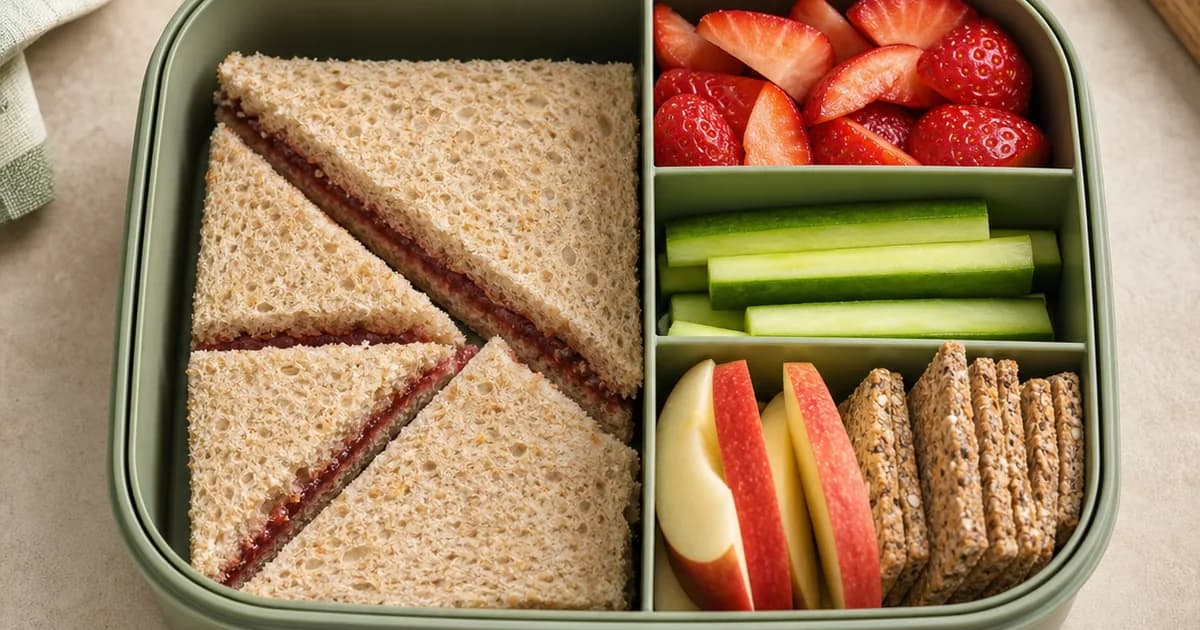
| Jam Sandwich | Sandwich | Bread, Jam, Butter | $2.41 |
| Savoury Rice | Hot | Rice, Peas, Corn, Carrot, Onion | $2.63 |
| Cinnamon Roll | Baking | Flour, Butter, Cinnamon, Sugar, Yeast, Milk | $2.66 |
| Tamagoyaki (Rolled Omelette) | Cold | Egg, Soy Sauce, Sugar, Oil | $2.78 |
Weekly total: $12.51
That clears the $15 target with room to spare, and it does it without a single unusual ingredient. Note what is doing the work: the mains here are pasta, bread, lentils, flour and eggs. None of them is a novelty, and none of them is the expensive part of a lunchbox.
Two honest caveats. First, this is the cheap end on purpose — it is the five cheapest school-safe boxes we track, not a week I would pack five weeks running. Second, these are Woolworths prices; Pak'nSave usually runs a little under that on staples, so your own number should land at or below this one rather than above it.
Batch Cooking: The Budget Parent's Secret Weapon
The real savings come from spending 1-2 hours on a Sunday afternoon preparing food for the week. Here is a realistic batch-cooking plan — and Batch Cooking to Save Money on School Lunches goes further into how it cuts the weekly cost.
Sunday Batch Prep (Time: ~90 minutes)
| Task | Yield | Time |
|---|---|---|
| Cook rice (2 cups dry) | 3 days of sushi or rice balls | 25 min |
| Boil 10 eggs | 5 days of snacks | 15 min |
| Make hummus (1 can chickpeas) | 5 days of dip | 10 min |
| Bake a batch of 12 muffins | 5+ days of snacks | 30 min |
| Cook pasta (500g) | 2 days of pasta salad | 15 min |
| Chop vegetables (carrots, cucumber, capsicum) | 5 days of veg sticks | 10 min |
Total batch prep time: ~90 minutes
This table used to carry a cost column — $3.75 for ten eggs, 95c for 500g of pasta. Both sat well under the prices we track, and the prices we track are not one number either: the dozen cage-free eggs the planner prices is $10.29 at Woolworths, while the free-range dozen in the price index is $11.79 there; the 500g of pasta the planner prices is $2.99, the penne in the index $1.79. Rather than add a third set of figures, I have removed the column. The ingredients here are already inside the weekly total above.
This single session covers a large portion of the week's lunches. For the first few days of the week you are essentially assembling pre-prepared components rather than cooking from scratch each morning.
Store-Brand vs. Name-Brand: What's Worth the Premium?
Not all savings are created equal. Here is an honest comparison of where store brands match name brands — and where they don't:
Store Brand Is Just as Good
The prices in this table are the hand-recorded in-store snapshot described in the price note above, not the weekly tracked figures. The gap between the two columns is the durable part; the dollar amounts have moved since.
| Product | Store Brand Price | Name Brand Price | Difference |
|---|---|---|---|
| Sliced bread (700g) | $2.80 (PnS) | $4.50 (Vogel's) | 38% saving |
| Pasta (500g) | $1.90 (PnS) | $3.50 (Barilla) | 46% saving |
| Rice (1kg) | $2.50 (PnS) | $4.00 (SunRice) | 38% saving |
| Canned chickpeas | $1.20 (PnS) | $2.20 (Watties) | 45% saving |
Name Brand Is Worth It
| Product | Why |
|---|---|
| Yoghurt | Store-brand yoghurt often has more sugar and thinner texture |
| Cheese | Mainland or Anchor tends to slice and grate better |
| Wraps | Cheaper wraps crack and tear — Mission brand holds up |
Reducing Food Waste: Saving Money by Not Throwing It Away
The 2025 Rabobank-KiwiHarvest food waste survey put the average New Zealand household's food waste at $1,364 a year — 10.9% of what it buys each week, down from 12.2% in 2023. In the lunchbox context, waste happens in two ways:
Waste at Home
- Buying ingredients for a recipe you never make
- Lettuce going brown because you bought a whole head for two sandwiches
- Bread going stale before you use the whole loaf
Solutions:
- Freeze half a loaf of bread immediately — toast slices as needed
- Buy only what your weekly plan requires
Waste at School
- Packing too much food that comes home uneaten
- Packing food your child doesn't actually like
- Packing food that's hard to eat in a short lunch break
Solutions:
- Start with smaller portions and increase if your child finishes everything
- Ask your child what they actually ate (not what they liked)
- Avoid foods that need cutlery or complex assembly — finger foods get eaten
Smart Shopping Strategies
Use the Supermarket Apps
Both Woolworths and Pak'nSave have apps that show weekly specials. Check them every Sunday before making your list.
- Woolworths app: Digital mailer with the week's specials, some of them Everyday Rewards member-only prices (the depth varies weekly and we do not track it)
- Pak'nSave: Check the weekly mailer on their website — great meat specials
Buy in Season
Seasonal produce is cheaper and better quality. A rough guide for lunchbox staples:
| Season | Cheap & Good | Avoid (Expensive) |
|---|---|---|
| Summer (Dec-Feb) | Stone fruit, berries, tomatoes, cucumber | Citrus, kiwifruit |
| Autumn (Mar-May) | Apples, pears, mandarins, kumara | Berries, stone fruit |
| Winter (Jun-Aug) | Citrus, kiwifruit, carrots, broccoli | Tomatoes, capsicum |
| Spring (Sep-Nov) | Asparagus, new potatoes, strawberries | Apples (old stock), imported fruit |
Stock Up on Specials
When lunchbox staples go on special, buy extra and store:
- Canned tuna: The 185g Sealord can in our price index is $4.50 at Woolworths at regular price — that is the number to beat before you stock up
- Pasta: Buy multiple bags when under $1.50
- Cheese: Freeze blocks of cheese — grate from frozen for sandwiches
Free and Low-Cost Lunchbox Resources
Government Support
- Ka Ora, Ka Ako (Healthy School Lunches Programme): Some NZ schools provide free lunches through this government programme. Check whether your school takes part on the Ministry of Education's Healthy School Lunches Programme page
- Community food banks: No shame in using these when budgets are tight — many provide lunchbox-friendly items
Free Planning Tools
- Use the Kiwi Lunchbox Planner (free) to generate weekly plans with Woolworths price estimates
- Download and print shopping lists grouped by category
July 2026 Reality Check: Pricing a Week from the Actual Mailers
Guides like this can drift out of date, so here is a concrete check from the week of 20-26 July 2026. I sat down with that week's Woolworths and New World mailers and built five lunchboxes entirely from what was on special, costing each box as pack price divided by the servings actually used:
| Day | Lunchbox | Cost per box |
|---|---|---|
| Monday | Popcorn chicken, carrot sticks, mandarin | $5.06 |
| Tuesday | Ham salad sandwich | $3.00 |
| Wednesday | Bagel with cream cheese | $1.24 |
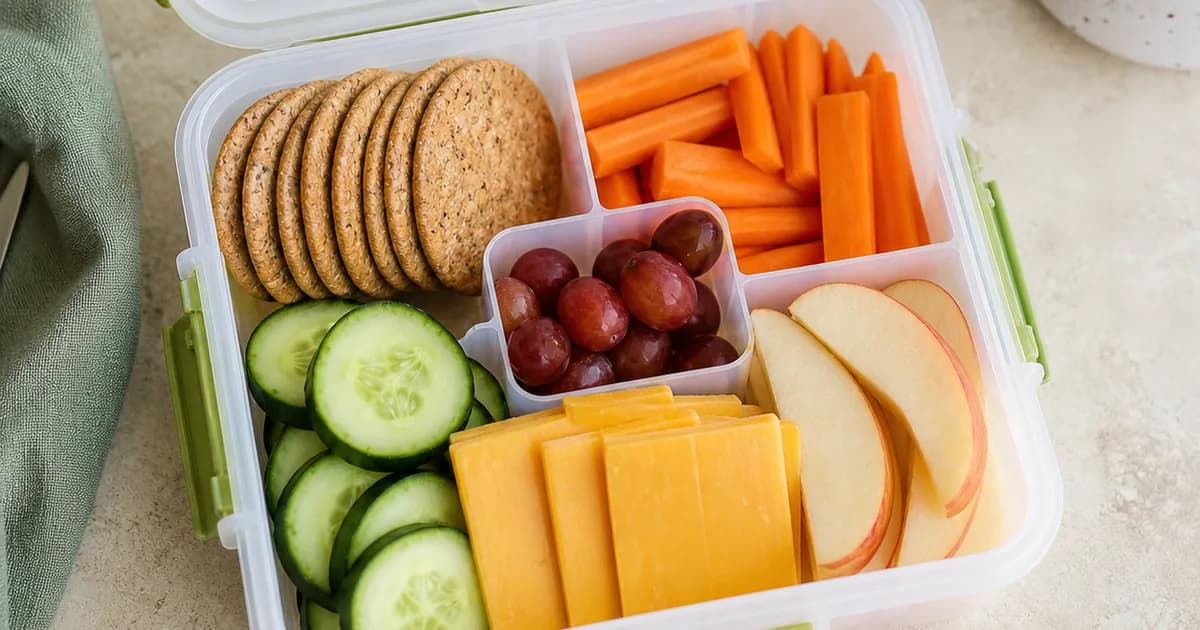
| Thursday | Apple and cheese box | $1.60 |
| Friday | Toasted cheese jaffle, carrots, apple | $2.17 |
Week total: $13.07 — about $2.61 a box. Under the $15/week target this guide is built around, but not by as much as it first looked.
Correction, July 2026. This table previously read $10.43 for the week ($2.09 a box). A reader pointed out on Facebook that the numbers didn't add up against what the photos showed, and they were right — though not for the reason any of us guessed. Our costing code was treating a fraction of a pack inconsistently, so some ingredients were counted at a fraction of what they cost and others at several times. The figures above are recalculated. What they include: every ingredient in the meal itself, plus the sides named in the row. What they don't include: a drink, and anything not listed. The dearest box by far is Monday's, and the popcorn chicken is why — protein is what moves a lunchbox budget, not the extras.
The specials doing the heavy lifting that week: Tegel Take Outs at $9.80 (40% off), Beehive shaved ham 200g at $5.50, Anchor cheese slices 250g at $3.90, Abe's bagels 4-pack at $4.79, and Molenberg bread 700g at $4.45. None of these are exotic — they are the same sandwich-and-hot-food staples this guide recommends, just bought in the week the mailer discounts them.
The lesson generalises: decide the menu after reading the mailers, not before. Our free planner does part of this for you. When a current week of Woolworths and New World specials has been recorded, the option "Rank by cost after this week's specials" is on by default: boxes that come out cheaper after the specials are more likely to be picked, though the week is still shuffled rather than built from the cheapest boxes. Untick it to plan on regular shelf prices. When no current mailer has been recorded, the option is off and plans use regular prices.
The $3 Per Day Challenge
If $15/week still feels tight, here's a strict $3-per-day framework:
- $1.00 — Main item (homemade sandwich, pasta, or rice-based dish)
- $0.50 — Protein boost (egg, canned fish, or cheese)
- $0.50 — Fruit (seasonal, bought in bulk)
- $0.50 — Vegetables (carrots, cucumber — buy whole and chop yourself)
- $0.50 — Snack (homemade baking, crackers, or popcorn)
This is achievable if you batch cook, buy seasonal, and shop at Pak'nSave. It requires discipline in planning.
Start Saving on School Lunches This Week
Budget lunchbox planning is not about deprivation — it is about being deliberate. The families who spend the least on school lunches are not eating worse food; they are simply wasting less, cooking more strategically, and shopping with a plan.
References & Sources
About this article
This article was researched and written by Yong Jae Lee, a parent based in Auckland who runs Kiwi Lunchbox as a solo project. I am not a dietitian or a health professional, so nothing here is medical advice. Where an article rests on desk research rather than something I have cooked or used myself, it says so, and nutrition writing is aligned with New Zealand's healthy eating guidelines. If you spot an error or have a suggestion, please contact us.