Yong Jae Lee
Published: April 14, 2026 · Reviewed: October 2026 · 9 min read
Researched and written by Yong Jae Lee · Content follows NZ Ministry of Health guidelines
Vegetarian and vegan NZ school lunches — protein, iron and B12, plus what our price tracking shows: a meat-free main costs about half a meat one.
The Rise of Plant-Based Eating in NZ Schools
Vegetarian and vegan eating is increasingly common in New Zealand. New Zealand Health Survey data suggests only a small share of adults (roughly 3%) are fully vegetarian or vegan, but many more are choosing to eat less meat — and meat-free days are increasingly normal in school lunchboxes.
Whether your family is fully plant-based, your child has chosen to be vegetarian, or you're just after more meat-free days, this guide covers the nutrition, the ingredients, and — the part that usually gets skipped — what it costs.
Meat-Free Lunches Are Cheaper, and the Gap Is Bigger Than You'd Think
I cost every menu in our database against tracked supermarket prices for the NZ Lunchbox Price Index. When I split those 94 menus by whether they contain meat, the difference was larger than I expected:
| Menus | Median cost of the main | |
|---|---|---|
| Vegetarian | 53 | $1.86 |
| Contains meat or fish | 41 | $3.12 |
| Vegan | 21 | $1.86 |
A meat-free main costs about 40% less. On the median, swapping one meat lunch for a vegetarian one saves $1.26 — around $63 a term for one child (ten weeks, five days a week), or about $239.40 across a 190-day school year if you do it every day.
That tracks with what we found costing the food groups: protein is the single biggest line in almost every lunchbox, and animal protein is where the money goes. Chicken breast runs about $2.00 a serve; tinned chickpeas are 30c and an egg is 86c.
Two honest caveats. Vegan is not the cheapest option — it sits at $1.86, level with vegetarian rather than below it, because it loses cheese (55c) and eggs (86c), which come in under tofu ($1.42) and most commercial substitutes, and often replaces them with pricier specialty products. And cheap isn't automatically balanced: a jam sandwich is a very cheap vegetarian lunch and a poor one. The nutrition section below is what makes the saving worth having.
If the budget is the reason you're reading this, the practical version is: you don't have to go fully vegetarian to get most of the benefit. Two meat-free days a week captures a good share of the saving with none of the B12 planning.
Nutritional Considerations for Plant-Based Kids
Plant-based diets can be perfectly healthy for school-age children, but they do require more thought about certain nutrients that are naturally abundant in animal products. A vegan diet needs the most planning — B12 above all — so it is worth involving your GP or a dietitian.
Key Nutrients to Watch
| Nutrient | Why It Matters | Best Plant Sources for Lunchboxes |
|---|---|---|
| Protein | Growth, muscle repair, satiety | Legumes, tofu, tempeh, seeds, cheese (vegetarian), nut butters (if school allows) |
| Iron | Oxygen transport, energy, concentration | Legumes, tofu, fortified cereals, dark leafy greens, dried apricots |
| Vitamin B12 | Nerve function, red blood cells | Fortified plant milk, fortified nutritional yeast, fortified cereals (vegan) / eggs, dairy (vegetarian) |
| Calcium | Bone growth | Fortified plant milk, tofu (calcium-set), tahini, broccoli, kale / dairy (vegetarian) |
| Zinc | Immune function, growth | Legumes, seeds (pumpkin, sunflower), wholegrains, tofu |
| Omega-3 (DHA/EPA) | Brain development | Chia seeds, flaxseeds, walnuts (if allowed), algae-based supplements |
| Iodine | Thyroid function | Iodised salt, seaweed (nori in sushi), some plant milks |
The Protein Question
The most common concern parents have is: "Will my child get enough protein without meat?" The answer is almost certainly yes, as long as you include protein-rich foods in every meal.
Daily protein needs for NZ children (the Ministry of Health's recommended dietary intakes — the same figures, with their source, as in our nutrition guide):
| Age | Daily protein | About a third (the lunchbox share) |
|---|---|---|
| 4–8 years | 20g | about 7g |
| 9–13 years | 35g girls, 40g boys | about 12–13g |
Eggs, cheese, yoghurt, legumes, tofu and soy milk are the foods that carry that share in a meat-free box. How many grams a particular one brings is on its nutrition panel — this site does not measure protein content, so it does not print a per-food protein table or per-day protein totals of its own.
Iron: The Nutrient to Pay Closest Attention To
Iron deficiency is the most common nutritional concern for vegetarian and vegan children worldwide, and NZ is no exception. Plant-based (non-heme) iron is less readily absorbed than animal-based (heme) iron, but absorption can be significantly improved with vitamin C.
Maximising Iron Absorption
Do:
- Pair iron-rich foods with vitamin C sources — e.g., hummus (chickpeas = iron) with capsicum strips (vitamin C)
- Include citrus fruit, kiwifruit, strawberries, or tomatoes in the same meal
- Use cast-iron cookware when preparing food at home
Avoid at mealtimes:
- Tea (tannins block iron absorption — unlikely for kids, but worth noting)
- Large amounts of dairy alongside iron-rich foods (calcium competes with iron)
Iron-Rich Foods for NZ Kids has practical iron-rich foods and lunchbox ideas, plant-based included.
Iron-Rich Lunchbox Ideas
- Falafel wrap with hummus, tomato, and spinach
- Lentil soup in a thermos with a mandarin for dessert
- Tofu stir-fry with rice and edamame
- Baked beans on wholemeal toast (prep at home, send in a thermos)
Vitamin B12: Critical for Vegan Kids
Vitamin B12 is found almost exclusively in animal products. Vegetarian children who eat eggs and dairy typically get enough, but vegan children need fortified foods or a supplement.
Reliable B12 Sources
| Source | Notes |
|---|---|
| Fortified soy or other plant milk | Check the label — not all brands are fortified |
| Nutritional yeast | Only if the label says it is fortified with B12; unfortified nutritional yeast is not a B12 source |
| Fortified breakfast cereals | Check the label — many cereals are not fortified with B12 |
| Eggs and dairy | Vegetarian option |
| B12 supplement | The most reliable source for a vegan child — ask your GP or dietitian about the dose |
The amounts in fortified foods vary by product, so read the nutrition panel rather than a figure from an article. Recommendation: If your child is fully vegan, discuss B12 supplementation with your GP.
Affordable Plant-Based Shopping in NZ
One of the biggest myths about vegetarian and vegan eating is that it is expensive. In reality, plant-based staples are among the cheapest foods in the supermarket.
What a lunchbox serve of each protein costs
These are pack prices tracked weekly, divided by the amount one lunchbox uses. Both numbers are shown so you can check the division yourself.
| Protein | Pack | Pack price | One serve | Cost per serve |
|---|---|---|---|---|
| Peanut Butter | 375g | $5.29 | 15g | $0.21 |
| Red Lentils | 390g | $2.29 | 39g | $0.23 |
| Chickpeas | 420g | $1.20 | 105g | $0.30 |
| Cheese | 500g | $9.12 | 30g | $0.55 |
| Canned Tuna | 95g | $1.35 | 47.5g | $0.68 |
| Eggs | 12pack | $10.29 | 1 egg | $0.86 |
| Tofu | 450g | $5.70 | 112g | $1.42 |
| Chicken Breast | 450g | $10.00 | 90g | $2.00 |
Legumes and peanut butter come out cheapest per serve. That ordering is what the tracked prices say, and it is why a meat-free main tends to cost less — but tends is the honest word, because the order is not the same for every swap. A tofu serve costs more than a canned tuna serve.
⚠️ This is cost per serve, not per 100g of protein. Protein content per food is not something this site measures, so a figure normalised that way would be someone else's number repeated without a source — which is also why the menus below carry no protein totals.
Budget Plant-Based Staples
Pantry staples worth keeping stocked. This list used to carry a rough price for each, and some had drifted away from what we track (the rice line was well under the price index's 1kg bag), so the prices have come out — the tracked ones are in the table above and on the price index:
- Dried lentils (red and brown)
- Canned chickpeas and kidney beans
- Firm tofu
- Rolled oats
- Wholemeal bread
- Rice
- Frozen edamame
- Soy milk
- Sunflower seeds
- Tahini
A Complete Vegetarian Week
Monday: Egg and Salad Wrap
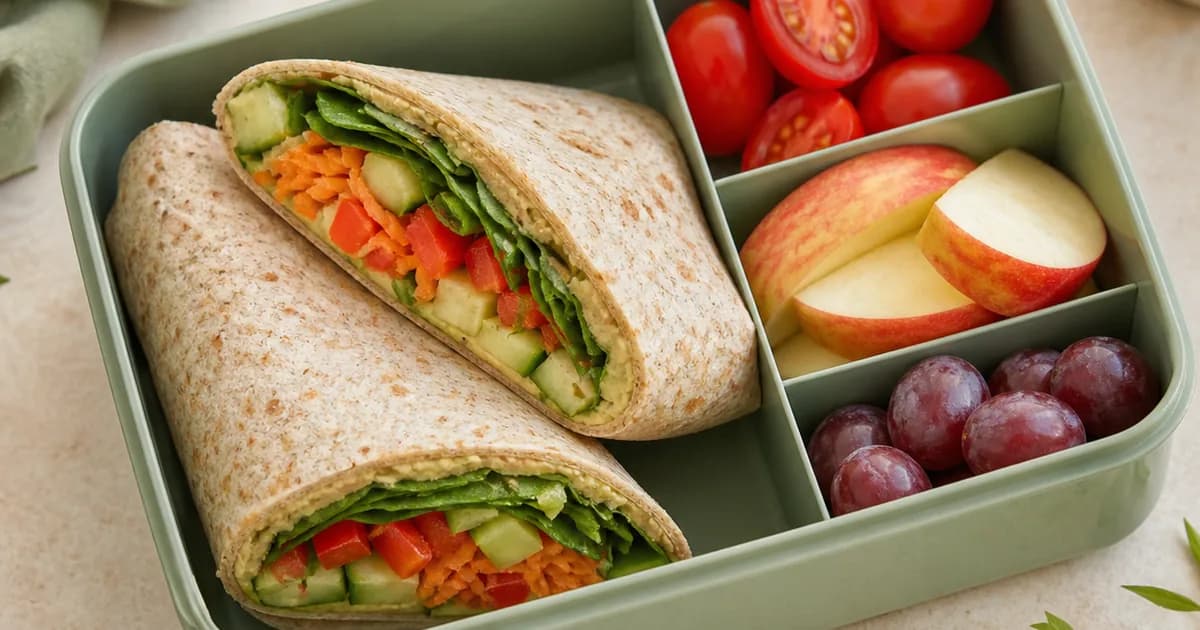
- Wholemeal wrap + sliced hard-boiled egg + lettuce, tomato, grated carrot + mayo
- Mandarin
- Cheese cubes
Wraps and pita pockets carry most of the meat-free week — Easy Wraps & Rolls for NZ School Lunches has more filling combinations.
Tuesday: Hummus and Veg Pita Pocket
- Wholemeal pita + hummus + cucumber, capsicum, baby spinach
- Apple
- Plain yoghurt with honey
Wednesday: Cheese and Tomato Pasta Salad
- Spiral pasta + cherry tomatoes + feta + olive oil dressing + basil
- Kiwifruit
- Crackers
Thursday: Tofu Sushi Rolls
- Sushi rice + nori + marinated tofu strips + cucumber + avocado
- Grapes
- Edamame (shelled)
Friday: Lentil Soup (Thermos) + Bread Roll
- Red lentil soup (batch-cooked, frozen in portions) in a thermos
- Wholemeal bread roll with butter
- Banana
A Complete Vegan Week
Monday: Falafel Wrap
- Wholemeal wrap + store-bought falafel (Woolworths sells oven-ready falafel) + hummus + tomato + spinach
- Orange segments
- Rice crackers
Tuesday: Peanut-Free Pad Thai
- Rice noodles + tofu + carrot + capsicum + tamari + sesame seeds
- Mandarin
- Coconut yoghurt
Wednesday: Black Bean and Corn Wrap
- Corn tortilla + mashed black beans + corn + avocado + salsa
- Apple
- Popcorn
Thursday: Vegan Sushi Rolls
- Sushi rice + nori + avocado + cucumber + marinated tofu
- Kiwifruit
- Edamame
Friday: Vegetable and Lentil Soup (Thermos)
- Red lentil and kumara soup
- Sourdough bread (check for dairy)
- Banana
- Homemade energy bites (oat + coconut + maple syrup)
Common Challenges and Solutions
"My Child's Friends Eat Meat — They Feel Left Out"
This is real and valid. Some approaches:
- Make plant-based versions of popular foods (veggie sausage rolls, bean burritos, tofu nuggets) so they feel like they are eating "normal" food
- Focus on foods that are naturally plant-based rather than meat substitutes — sushi, pasta, falafel
- Talk to your child about why your family eats this way, in age-appropriate terms
"The School Serves Meat on Ka Ora, Ka Ako Days"
If your school participates in the government lunch programme, contact the school to ask about vegetarian/vegan options. Many providers offer alternatives, but you may need to request them explicitly.
"Finding Vegan Food at NZ Supermarkets Is Hard"
It has improved dramatically. Both Woolworths and Pak'nSave now stock:
- Multiple tofu brands (Bean Supreme, Tonzu)
- Plant milks (soy, oat, almond, coconut)
- Vegan cheese (Zenzo, Angel Food)
- Vegan yoghurt (Raglan Coconut Yoghurt, Cocolo)
- Meat alternatives (Beyond Meat at Woolworths, Sunfed Chicken at selected stores)
- Frozen vegan items (Linda McCartney range at Woolworths)
"I Worry About My Child's Nutrition"
Talk to your GP about whether a check-up makes sense for your child. A blood test can check iron, B12, vitamin D, and zinc levels.
Resources
- NZ Ministry of Health: Food and Nutrition Guidelines for Children and Young People (2–18 years)
- Nutrition Foundation NZ
- NZ Vegetarian Society
- Allergy NZ — for managing allergies alongside plant-based diets
Plan Plant-Based Lunches Easily
The planner includes vegetarian and vegan filters. Select one, and every main and snack in your generated plan will be meat-free (or, with Vegan, free of animal products), with estimated costs from Woolworths shelf prices.
References & Sources
About this article
This article was researched and written by Yong Jae Lee, a parent based in Auckland who runs Kiwi Lunchbox as a solo project. I am not a dietitian or a health professional, so nothing here is medical advice. Where an article rests on desk research rather than something I have cooked or used myself, it says so, and nutrition writing is aligned with New Zealand's healthy eating guidelines. If you spot an error or have a suggestion, please contact us.