Yong Jae Lee
Published: August 13, 2026 · Reviewed: August 2026 · 4 min read
Researched and written by Yong Jae Lee · Content follows NZ Ministry of Health guidelines
Pak'nSave came out cheaper on our 15-item lunchbox basket, but four items carry most of the gap. What that means if you only shop one store.
Every week I read the price of the same 20 lunchbox staples from Woolworths' and Pak'nSave's own online shops and publish the table. This is the first month where both columns have been read on the same day, so it is the first month where the comparison means what people assume it means.
The headline is unremarkable: on the 20 items priced at both stores, Woolworths comes to $113.75 and Pak'nSave to $102.43. A difference of $11.32, or about 10.0%.
That number is lower than most people expect, and on its own it is not very useful. The useful part is where the difference sits.
Four items carry most of it
| Item | Woolworths | Pak'nSave | Difference |
|---|---|---|---|
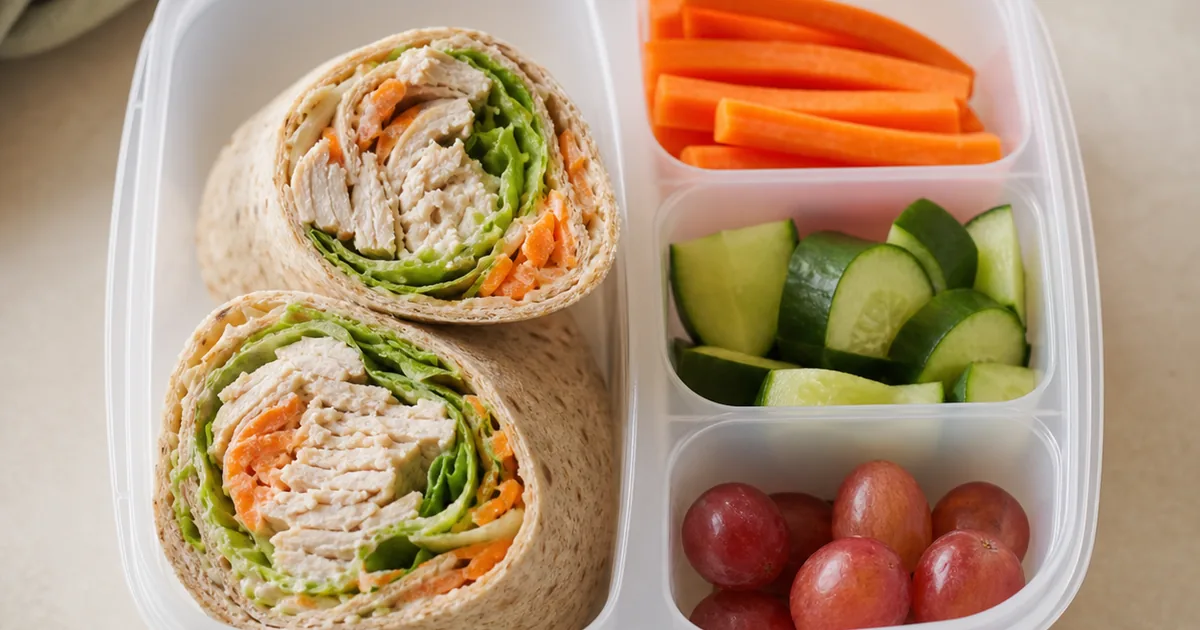
| Sliced Chicken (200g) — Deli sliced | $6.50 | $4.99 | $1.51 |
| Cheese Block (500g) — Mainland mild | $10.50 | $8.99 | $1.51 |
| Wholegrain Bread (700g) | $4.40 | $2.99 | $1.41 |
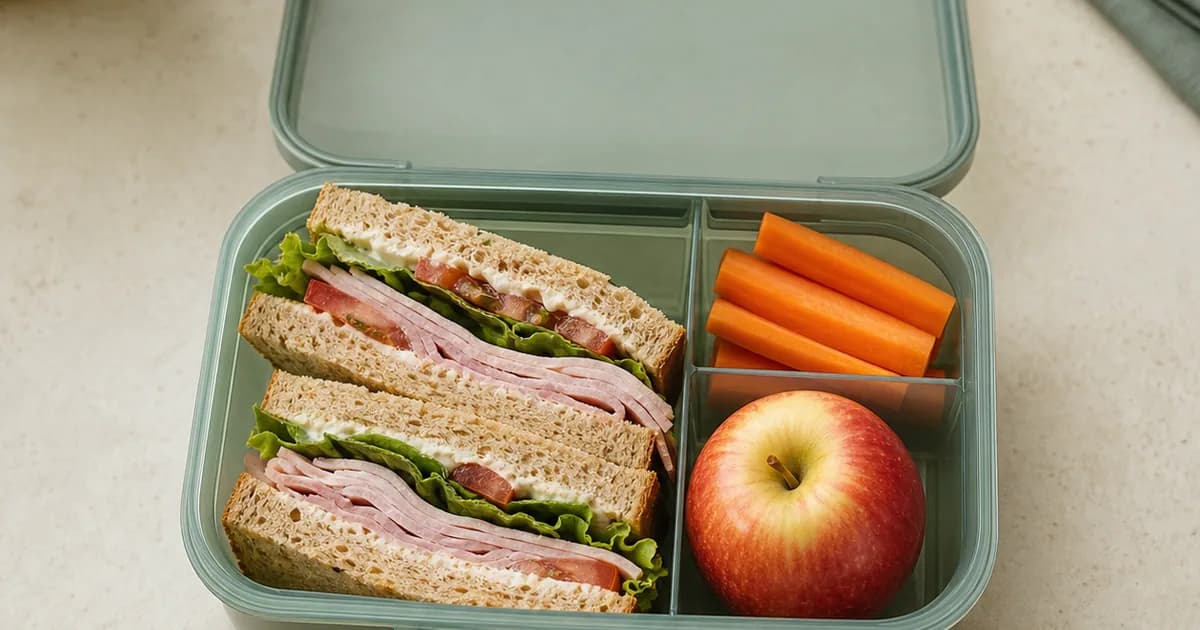
| Sliced Ham (200g) | $5.99 | $4.69 | $1.30 |
Those 4 lines account for about 51% of the entire gap. The rest of the basket — fruit, pasta, bananas, bagels — is close enough that the difference is loose change.
This is the practical finding, and it is not the one the "Pak'nSave is cheaper" shorthand gives you. If you do one shop a week at one store, you are not losing money across the board by picking the wrong one. You are losing it on sandwich fillings, cheese and bread. A household that buys those four things somewhere cheap and everything else wherever is convenient captures most of the available saving without driving anywhere twice.
And it is not one-way
Woolworths is cheaper on cucumber (telegraph), lettuce (iceberg) and rice (1kg) (long grain white).
One of those is worth pausing on. Lettuce (iceberg) is $0.50 cheaper at Woolworths — a bigger single-item gap than any of the four above, running the other way. Fresh produce moves week to week and is the least reliable part of any "which supermarket is cheaper" claim, including mine.
What is not in the table, and why
nothing is excluded this round.
A special price is not a shelf price. If you let specials into an index, the index starts reporting deflation every time something goes on promotion, which is the opposite of what a price index is for. Those rows keep their last regular figure and sit out the comparison rather than being estimated. An estimated number in a price index is worse than a missing one.
Three rows changed definition this month, which is why the basket grew from twelve items to 20. They had been stuck for months because the spec I had written down did not exist at both chains: an 8-pack of wraps Woolworths does not sell, loose Royal Gala apples my Pak'nSave does not stock, and a 200g hummus tub that turns out to be 220g at both. Each is now pinned to a product both stores actually carry. That makes those rows useful from here on and useless for looking backwards — an older figure for them measured something else.
What I would not claim
These are online Click & Collect prices, not shelf tags, and the two can differ. Pak'nSave prices by store, and mine is Ormiston, so this is one store's answer rather than the country's. And the index only started pinning each row to a specific product code on 30 July 2026 — figures from before that were collected against the same written specs but without the brand recorded, so an individual percentage from the older rounds is worth less than the pattern it sits in.
The full table, with every row's date and the reason for each exclusion, is on the NZ Lunchbox Price Index page. It is published under CC BY — quote it, reproduce it, check my arithmetic.
What I will be watching
Whether the four-item concentration holds. If the gap stays in bread and fillings month after month, that is a genuinely actionable finding for anyone packing lunches, and it is more useful than a single percentage that changes every week. If it moves around, that is worth knowing too, and it would mean the tidy advice above was an artefact of one August reading.
About this article
This article was researched and written by Yong Jae Lee, a parent based in Auckland who runs Kiwi Lunchbox as a solo project. I am not a dietitian or a health professional, so nothing here is medical advice — every article is researched, tested at home with my own kids, and aligned with New Zealand's healthy eating guidelines. If you spot an error or have a suggestion, please contact us.