Yong Jae Lee
Published: February 15, 2026 · Reviewed: September 2026 · 13 min read
Researched and written by Yong Jae Lee · Content follows NZ Ministry of Health guidelines
A "no nuts, please" note can land in any NZ school bag. Nut-free lunch and snack ideas from NZ supermarkets, label by label, and what it costs.
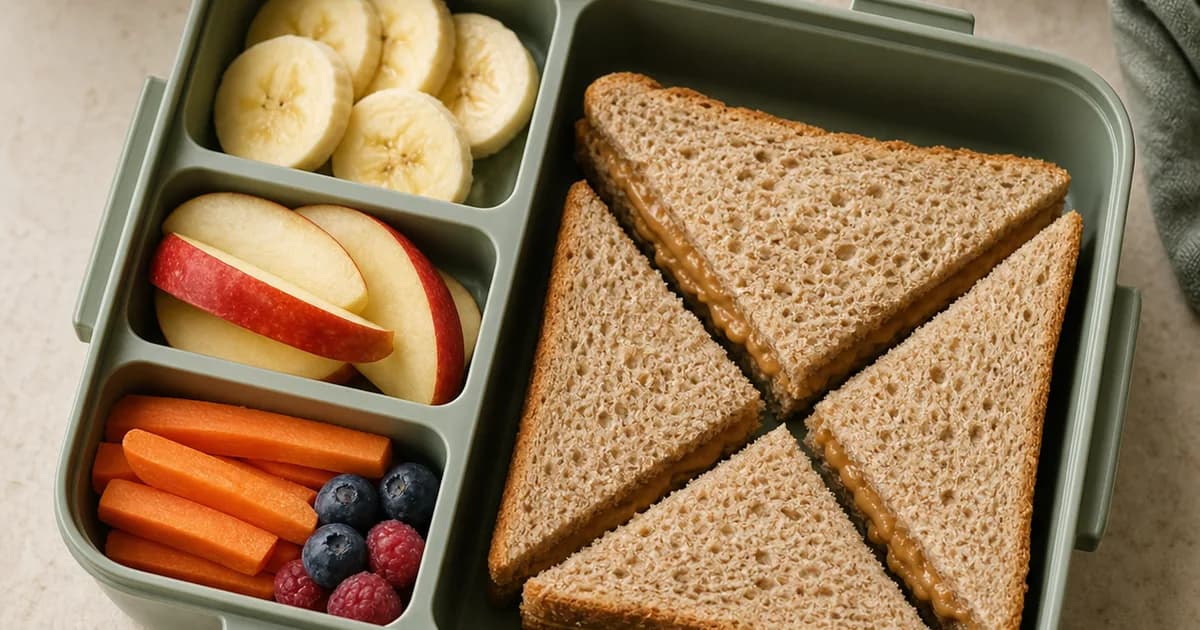
In our own house we've not had a nut allergy to manage — but a "no nuts, please" note can still land in any New Zealand family's school bag, because a nut-free rule is there to protect a classmate, not only your own child. The first time one comes home the reaction is usually the same: you look at the peanut-butter sandwich that's been your default for a year and realise it's suddenly off the table. This guide is the NZ-specific, label-by-label walkthrough I put together for exactly that moment — so you don't have to spend half a Saturday decoding "may contain" lines to work out what's still safe to pack.
Most NZ nut-free notices are practical rather than dramatic — they rarely try to ban every trace ingredient. The common asks are to leave three things at home: peanut butter, chocolate-hazelnut spreads (the Nutella type), and loose nuts or trail-mix snack packs. Every school words it differently, though, so the notice that actually matters is the one your school sends — read that one closely rather than leaning on a general guide like this.
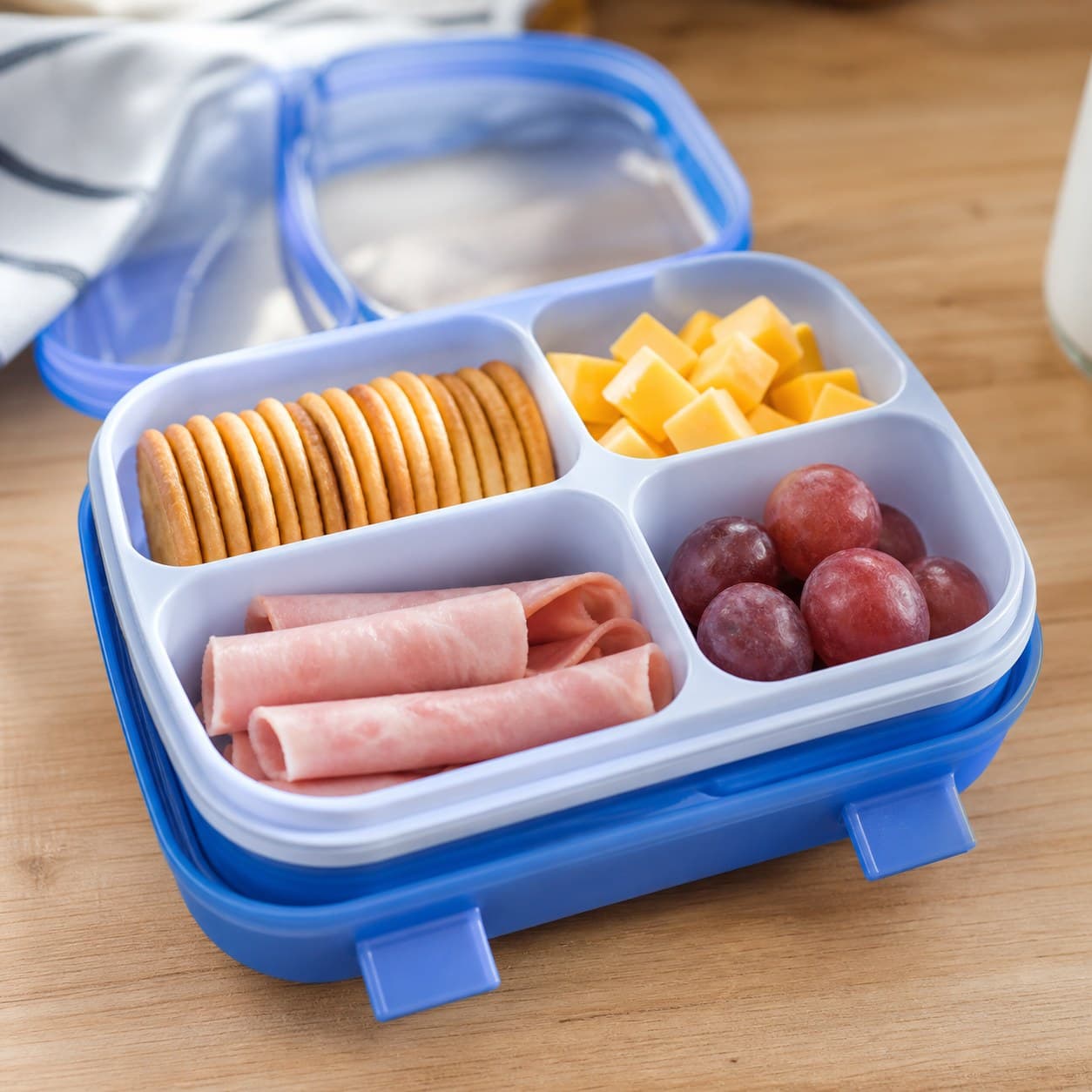
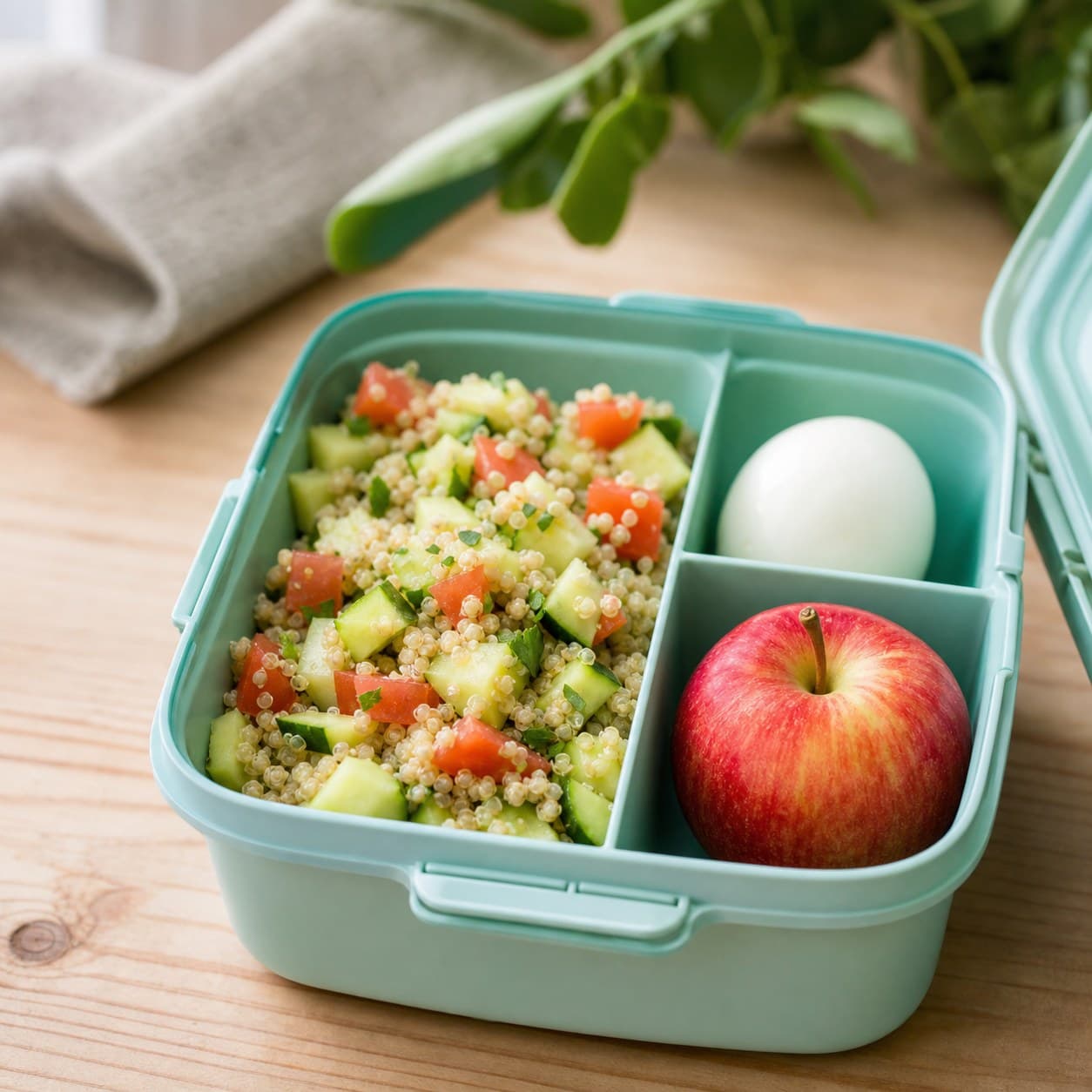
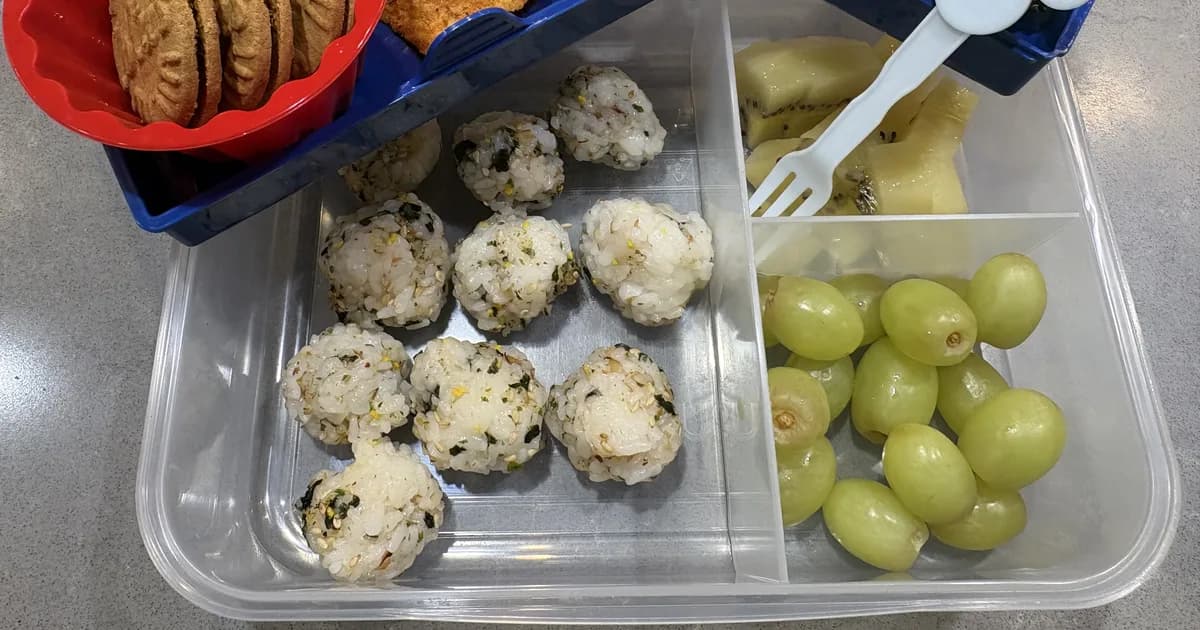
For what it's worth, the lunches that work best in our own house are already nut-free without trying: onigiri with furikake, veggie sticks (cucumber, carrot, capsicum are the ones that actually get eaten here), and whatever fruit is in season. None of it leans on peanut butter, which is usually the one thing a nut-free note really rules out — so if you're staring at a peanut-butter sandwich wondering what's left, there's far more than it feels like in that moment.
Why Nut-Free Policies Exist in NZ Schools
Nut allergies are among the most common and potentially severe food allergies in New Zealand children. Anaphylaxis — a life-threatening allergic reaction — almost always comes from eating the food. Severe reactions from touching nut or breathing it in are rare, according to ASCIA; the realistic classroom risk is a child eating something that contains nut, and shared food, swapped snacks and unwashed hands are how that happens.
Under the Health and Safety at Work Act 2015, New Zealand schools have a duty of care to minimise foreseeable risks. Nut-free lunchbox policies are one of the most practical measures schools use to protect anaphylactic students.
Peanut allergy affects around 3% of children across Australia and New Zealand, according to ASCIA — but in a classroom of 25 children, the probability of at least one student having a nut allergy is statistically significant. This is why policies exist at the school or classroom level rather than relying on individual families to manage risk alone. For a label-by-label walkthrough covering every major allergen — not just nuts — see our allergy management guide for NZ school lunchboxes.
The NZ landscape: Unlike some countries, New Zealand does not have a national mandatory nut-free school policy. Each school or board of trustees sets its own food policy. This means the rules can vary significantly between schools — and even between classrooms within the same school. Always confirm your specific school's policy at the start of each year, as it may change when new students with allergies enrol. Our school lunchbox policy guide covers the other restrictions that commonly sit alongside a nut rule, and what each one actually means for what you pack.
Important: This article is reviewed for accuracy and reflects current NZ school policies, manufacturer guidance, and Allergy NZ resources. It is not medical advice. If your child has a diagnosed nut allergy, work with your allergist and school to develop an individualised management plan.
NZ School Policy Levels — What's the Difference?
Not all schools use the same language. Here's what the different levels mean in practice:
| Policy Type | What it means | What to pack |
|---|---|---|
| Nut-free zone | No nuts in the school at all | Nothing containing nuts or nut derivatives |
| Nut-aware | Nuts discouraged but not banned | Avoid nuts where possible; keep away from allergic students |
| Class-specific | Only certain classrooms are nut-free | Check if your child's class is affected |
| No policy | No official restriction | Still be considerate — ask the teacher |
What to do first: At the start of every year, email the school office and ask: "Does our class or school have a nut-free lunchbox policy?" Policies change year to year depending on which students are enrolled.
What to Avoid — and Why Each One Is Tricky
Obvious nut products
- Peanut butter — the most common swap-out needed
- Trail mix, nut blends — even "just a few cashews" is a risk
- Almond milk / cashew milk cartons
Hidden nuts in common NZ products
| Product | The nut risk | NZ-safe alternative |
|---|---|---|
| Muesli bars (Eta, Pams, Carman's) | Often contain almonds, cashews, or "may contain" | Woolworths Own Brand oat bar (check label) |
| Basil pesto (most brands) | Pine nuts | Pams Basil Paste, or Woolworths Own Brand (check label each time) |
| Satay sauce | Always peanuts | Hoisin sauce or tomato-based stir-fry sauce |
| Nutella / chocolate spreads | Hazelnuts | Jam, cream cheese, hummus, or Vegemite |
| Some muesli / granola | Almonds, pecans | Plain rolled oats or Weet-Bix |
| Asian noodle snacks | Often sesame or peanut in seasoning | Rice crackers without seasoning |
| Some biscuits (e.g. Arnott's varieties) | "May contain tree nuts" | Plain wine biscuits, Krispies, rice crackers |
Label reading tip: Since 25 February 2024, FSANZ's allergen labelling rules have required declared allergens — peanut and the tree nuts among them — to appear in the ingredient list under their plain-English name in bold, and in a separate bolded summary statement starting with "Contains". "May contain traces of..." is a different kind of statement: it is voluntary and not regulated by the Food Standards Code, but it is the manufacturer flagging a cross-contact risk, and for a severely allergic child that is a real one.
What a Nut-Free Policy Costs You
Before the replacements, the honest part: peanut butter is the cheapest protein spread on the shelf, and a nut-free policy takes it away.
These are cost-per-lunch figures from the prices I track weekly for the NZ Lunchbox Price Index:
| Spread | Cost per lunch | Protein? |
|---|---|---|
| Marmite | 18c | No |
| Jam | 20c | No |
| Peanut butter | 21c | Yes — and banned |
| Honey | 33c | No |
| Cream cheese | 36c | A little |
| Cheese (from a block) | 55c | Yes |
| Hummus | 67c | Yes |
| Hard-boiled egg | 86c | Yes |
The two spreads that undercut peanut butter — Marmite at 18c and jam at 20c — aren't protein. The cheapest nut-free option that actually replaces what peanut butter was doing is cheese from a block at 55c, roughly 160% more. Hummus is triple. An egg is four times.
So the honest framing is: a nut-free policy doesn't wreck your budget, but it does remove the single most cost-efficient protein in the lunchbox, and the replacements cost real money. Over a 40-week year, swapping peanut butter for cheese from a block every day is about $67 per child; for hummus, about $92.
Worth knowing rather than discovering. It also explains why "just use Marmite" is such common advice and such incomplete advice — it's cheap, but you've quietly removed the protein rather than replaced it.
Nut-Free Protein Sources: What Actually Works for School Lunches
Peanut butter is so common because it's calorie-dense, protein-rich, and doesn't need refrigeration. Here's what genuinely replaces it:
| Replacement | Protein per serve | Fridge needed? | NZ availability |
|---|---|---|---|
| Sunflower seed butter | 5g / 2 tbsp | No | Woolworths, health food stores |
| Hummus | 4g / 2 tbsp | Yes | All supermarkets |
| Cream cheese | 3g / 2 tbsp | Yes | All supermarkets |
| Hard-boiled egg | 6g / egg | Yes (stays fine 4 hrs) | All supermarkets |
| Canned tuna | 20g / ½ can | No | All supermarkets |
| Edamame (shelled, frozen) | 8g / ½ cup | Thaw overnight | Woolworths, Asian supermarkets |
| Cheddar/tasty cheese | 7g / 30g | Yes | All supermarkets |
If egg is off the table too, Egg-Free Lunchbox Ideas for NZ Schools covers the same protein gap without it.
5 Nut-Free Lunchbox Ideas for Schools With Allergy Policies (NZ Ingredients)
1. Tuna Sushi Rolls (~$2.00)
Sushi rice, nori sheets, cucumber, canned tuna. Completely nut-free, popular with NZ school kids, and keeps well until noon.
2. Hummus & Veggie Dip Box (~$2.20)
Carrot sticks, cucumber, capsicum strips, cherry tomatoes, and hummus. Add standard wholegrain crackers (check label) or a small bread roll.
3. Cream Cheese & Smoked Salmon Bagel (~$2.80)
A plain or wholegrain bagel (Woolworths bakery) with cream cheese, smoked salmon, and thin cucumber. No nuts, high protein, genuinely liked by older primary kids.
4. Chicken & Salad Wrap (~$2.50)
Leftover roast chicken, cos lettuce, tomato, and a nut-free caesar dressing (check label on Eta/Pams) in a tortilla wrap.
5. Pasta with Nut-Free Pesto (~$1.80)
Spiral pasta, Pams Basil Paste (check current label), cherry tomatoes. Always verify the label — "nut-free" status can change with reformulation.
Communicating with Your School
If your child is the one with a nut allergy (not just a classmate), here's a practical checklist for the start of the year:
- Request a copy of the school's Anaphylaxis Management Plan and Emergency Action Plan
- Ensure your child's EpiPen is stored in the correct location (office or classroom) per your allergist's advice
- Meet with the classroom teacher to clarify the "no nuts" zone boundaries
- Ask whether school camps, sports days, or class baking activities have separate protocols
- Update the school when your child's allergy management plan changes
Nut-Free Baking for School Lunches
Homemade baking is one of the safest options for nut-free lunchboxes because you control every ingredient. Here are three nut-free baking staples that freeze well:
Anzac Biscuits (naturally nut-free, makes 24): Oats, flour, desiccated coconut, sugar, butter, golden syrup, and baking soda. At about $0.15 per biscuit, they are cheap to make in a batch. Note: some schools classify coconut as a tree nut — check your specific school's policy.
Cheese and Zucchini Muffins (makes 12): Self-raising flour, grated cheese, grated zucchini, eggs, milk, and oil. At $0.35 per muffin, these provide protein and hidden vegetables. Freeze individually and defrost overnight.
Sunflower Seed Bliss Balls (makes 20): Rolled oats, sunflower seed butter (~$7.50 at Woolworths), honey, cocoa, and coconut. These replace traditional peanut butter bliss balls and are school-safe. At $0.20 per ball, they freeze well for up to 3 months.
Managing Nut-Free Lunchboxes Across NZ School Terms
Term 1 (Summer): Heat increases the risk of melting items that may contain hidden nut traces (chocolate bars, some muesli bars). Stick to clearly labelled, verified nut-free items. Pack with ice packs.
Terms 2-3 (Winter): Thermos lunches are popular but check commercial soup bases for hidden nut traces. Massel vegetable stock is reliably nut-free. Homemade soups with fresh ingredients are the safest option.
Term 4 (Spring): NZ asparagus and strawberries make excellent nut-free seasonal additions. End-of-year shared lunches and class parties require extra vigilance — offer to bring a clearly nut-free plate.
Understanding "May Contain" Labels in NZ
The phrase "may contain traces of nuts" on NZ food labels is voluntary, not legally required. This creates confusion:
- A product WITH a "may contain" warning has identified cross-contamination risk from shared manufacturing equipment
- A product WITHOUT a "may contain" warning does NOT guarantee it is nut-free — the manufacturer may simply not use precautionary labelling
- Discuss with your allergist what level of "may contain" risk is acceptable for your child's specific allergy severity
We put numbers on that gap: across the supermarket products we track, 5 declare nuts while 24 more only warn about them. Reading the bold line alone finds the first group.
For school lunchboxes in nut-free classrooms, the safest approach is to avoid all "may contain" products — even if your own child does not have the allergy. This protects the allergic children in the class and respects the spirit of the school's policy.
Using Kiwi Lunchbox Planner
The Nut Allergy filter automatically removes any menus containing nuts from your weekly plan. Tick "Nut Allergy" before generating — every suggested menu will be nut-free and sourced from NZ-available ingredients.
Generate a nut-free meal plan →
NZ Supermarket Nut-Free Shopping Tips
Navigating NZ supermarkets with a nut allergy requires vigilance. Here are store-specific tips:
Pak'nSave:
- Pams brand products have generally clear allergen labelling. Pams Own Brand crackers, Pams canned goods, and Pams bread are frequently nut-free — but always verify each purchase.
- The bulk bins at Pak'nSave (and all NZ supermarkets) should be avoided entirely. Cross-contamination from shared scoops and adjacent nut products is virtually guaranteed.
- Pak'nSave's in-store bakery uses shared equipment — ask staff about nut cross-contamination before purchasing bakery items.
Woolworths:
- Woolworths' Own Brand products generally display "Contains" and "May Contain" allergen statements clearly on packaging.
- The Woolworths Free From range includes several nut-free options specifically marketed for allergy families.
- Woolworths' Click and Collect service is useful for allergy shopping — you can read allergen labels on the website before adding items to your cart.
New World:
- Similar range to Woolworths. New World may carry specialty allergy-friendly brands not available at Pak'nSave.
- Ask at the deli counter about nut cross-contamination in prepared foods.
Nut-Free Weekly Lunchbox Planner
Here is a complete week of nut-free lunches using NZ-available ingredients:
| Day | Main | Side | Fruit | Snack | Cost |
|---|---|---|---|---|---|
| Mon | Tuna sushi rolls | Cucumber sticks | Mandarin | Rice crackers | ~$2.30 |
| Tue | Hummus & veggie dip box | Carrot sticks | Apple | Cheese cubes | ~$2.40 |
| Wed | Cream cheese & salmon bagel | Cherry tomatoes | Banana | Homemade pikelets | ~$3.00 |
| Thu | Chicken & salad wrap | Capsicum strips | Kiwifruit | Bliss ball (sunflower seed) | ~$2.70 |
| Fri | Pasta with nut-free pesto | Celery sticks | Grapes | Anzac biscuit | ~$2.10 |
Weekly total: ~$12.50 — about $2.50 per lunch average.
Note, July 2026. The per-day figures in this table were produced by an earlier version of our costing model that we've since found to be unreliable, so treat them as indicative rather than exact. Across our full menu set, a lunchbox with a fruit and a second snack currently works out at a median of about $3.70, ranging from roughly $2 to $7.10 depending on the main. The cheapest boxes are bread-and-cheese based; the dearest are the ones built on meat. For a costed plan on this week's prices, use the free planner.
Nut-Free Snack Ideas Available at NZ Supermarkets
Finding safe snack options can be tricky. Here are reliably nut-free snacks available at Woolworths and Pak'nSave (always confirm on the current label):
- Rice crackers (Woolworths Own Brand, Pams) — most are nut-free
- Arnott's Shapes — Original flavour is typically nut-free
- Weet-Bix — nut-free (great crumbled into trail mix with dried fruit)
- Tasti Fruit Bars — check the specific flavour; some are nut-free
- Homemade Anzac biscuits — naturally nut-free (oats, coconut, butter, golden syrup)
- Homemade pikelets — at about $0.08 each, cheaper again than the Anzacs
- Cheese and crackers — simple, reliable, and nut-free
- Plain popcorn — naturally nut-free, fun for kids, very cheap
What to Do if Your Child is Exposed
If your child has a known nut allergy and is accidentally exposed at school:
1. Follow the allergy action plan — this should be on file with the school 2. Administer the EpiPen if prescribed and symptoms indicate anaphylaxis (difficulty breathing, swelling of throat, dizziness) 3. Call 111 — anaphylaxis is a medical emergency in New Zealand 4. Stay calm — reassure the child while waiting for emergency services 5. Notify the school office and your child's allergist as soon as possible
At the start of the year, ask the school which staff members have been trained to use your child's adrenaline auto-injector, and where it is kept during lunch, sport and trips.
References & Sources
About this article
This article was researched and written by Yong Jae Lee, a parent based in Auckland who runs Kiwi Lunchbox as a solo project. I am not a dietitian or a health professional, so nothing here is medical advice. Where an article rests on desk research rather than something I have cooked or used myself, it says so, and nutrition writing is aligned with New Zealand's healthy eating guidelines. If you spot an error or have a suggestion, please contact us.