Yong Jae Lee
Published: September 7, 2026 · Reviewed: September 2026 · 5 min read
Researched and written by Yong Jae Lee · Content follows NZ Ministry of Health guidelines
I built a feature that plans your week around supermarket specials. When I measured it, it was making the week dearer. Here is why, and what I changed.
This planner has a tickbox called "Plan around this week's specials". It is on by default. It reads the week's mailers and pushes lunches that use discounted ingredients toward the top of your week.
On 7 September 2026 I measured whether it saved anyone money. It did not. It was costing about $1.84 a week.
This article is what went wrong, because the reason turns out to be a fact about supermarket specials rather than a fact about my code, and it applies whether or not you ever use this site.
The mistake, in one sentence
The size of a discount tracks the price of the thing being discounted.
Half price off $15.00 of chicken breast is $7.50. Half price off a $4.40 loaf is $2.20. If you rank your shopping by how much you save, you have ranked it by how expensive it was, and you will end up buying the expensive things.
Across the 94 lunches on this site, the correlation between what a lunch saves from this week's specials and what it costs at full price is 0.56. That is not a subtle statistical artefact. It is the whole mechanism.
What that looks like on a real menu
The eight lunches with the biggest discounts this week:
| Lunch | Saved by specials | Full price | After the special |
|---|---|---|---|
| Chicken & Rice Bento | $2.36 | $4.52 | $2.16 |
| Butter Chicken & Rice | $2.13 | $4.43 | $2.29 |
| GF Chicken & Salad Sandwich | $2.02 | $5.77 | $3.75 |
| Quesadilla | $1.91 | $4.34 | $2.43 |
| Egg-Free Mayo Chicken Sandwich | $1.85 | $3.98 | $2.13 |
| Dairy-Free Chicken Pesto Pasta | $1.80 | $4.49 | $2.69 |
| Chicken Wrap | $1.70 | $4.11 | $2.40 |
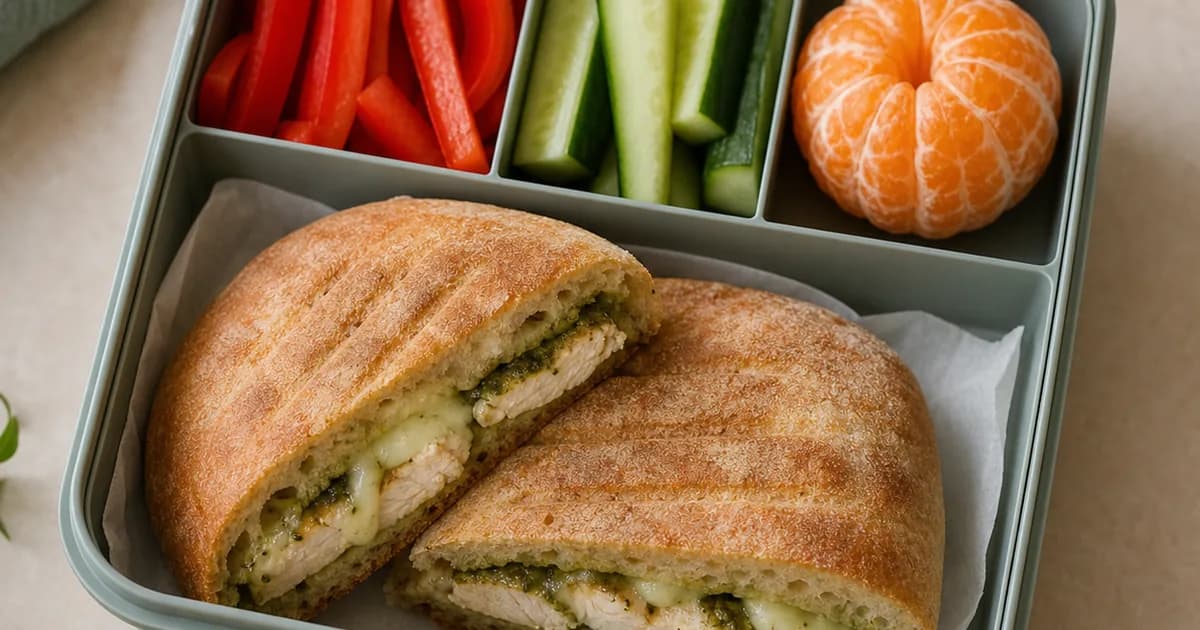
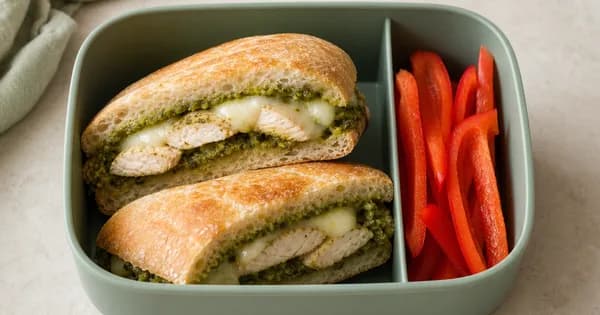
| Chicken Pesto Panini | $1.70 | $4.96 | $3.26 |
The eight that are actually cheapest once specials are applied:
| Lunch | Saved by specials | Full price | After the special |
|---|---|---|---|
| Mac 'n Cheese | $0.09 | $0.55 | $0.46 |
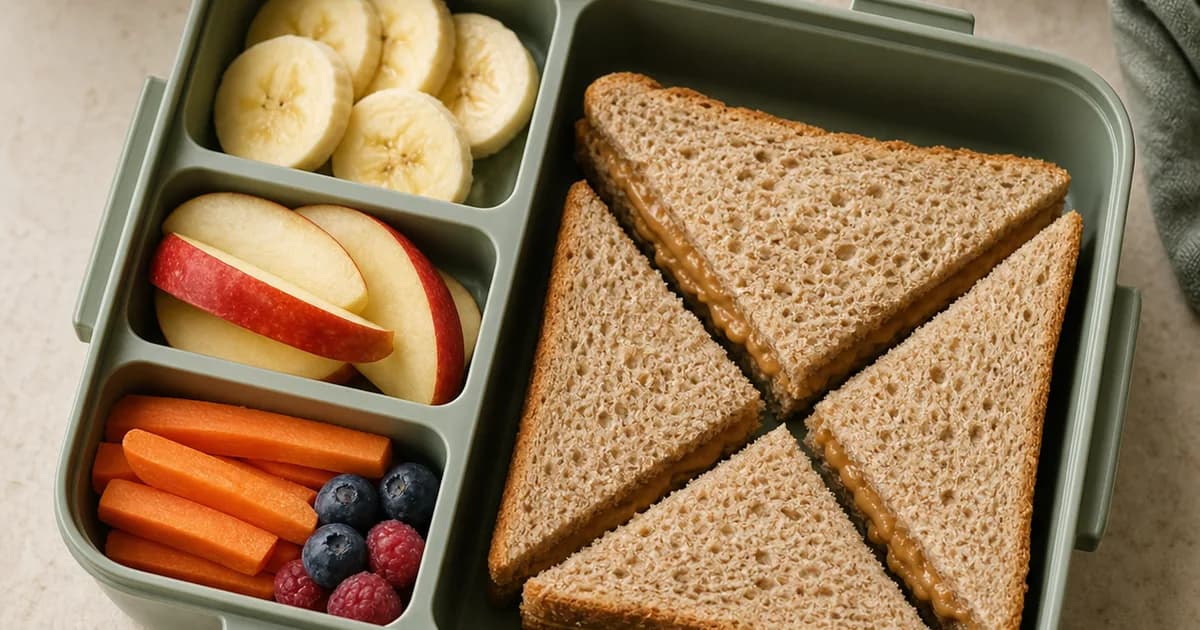
| Peanut Butter Sandwich | $0.15 | $0.65 | $0.50 |
| Rice Balls (Onigiri) | $0.89 | $1.47 | $0.59 |
| Savoury Rice | $0.43 | $1.08 | $0.65 |
| Jam Sandwich | $0.15 | $0.91 | $0.76 |
| Pasta Salad | $0.00 | $0.82 | $0.82 |
| Fried Rice | $1.09 | $1.94 | $0.85 |
| Cheese Scones | $0.25 | $1.18 | $0.93 |
Not one menu appears in both tables. The best-discounted lunch saves $2.36 and still costs more, after that discount, than the cheapest lunch costs at full price ($0.55).
The average full price of the eight biggest discounts is $4.57. The average across all 94 lunches is $2.53.
What that did to real weeks
I generated 1,500 weeks with the tickbox on and 1,500 with it off, priced against the same tracked Woolworths prices, on 7 September 2026.
The comparison needs care, and getting it wrong is how I missed this for a month. The obvious thing is to compare "specials on" against the full-price cost of a normal week. That flatters the feature, because specials apply at the till whether or not you planned around them. The person who ignores the mailer entirely still gets the discount on whatever they happened to buy. So the fair comparison is against a normal week with this week's specials applied to it anyway.
On that comparison:
| Median week | |
|---|---|
| Ignored the specials, still got them at the till | $18.89 |
| Planned around the specials | $20.73 |
Ticking the box cost $1.84. And the reason shows up before any discount is applied: the weeks it built cost $23.07 at full price against $20.15 for the ones it left alone. It was choosing $3 more expensive food and handing back $2.29 of it in discounts.
The fix
The planner now ranks lunches by what they cost after this week's specials, not by how much they save. Specials still decide the ranking — they are what makes one week's cheapest list different from the last — but a large discount on an expensive item no longer wins on its own.
Same measurement after the change: median week $15.70, against $18.89 for the untouched week. The feature now does what its label implies, to the tune of about $3 a week.
One consequence is worth being upfront about. The savings figure shown on your plan got smaller, from about $2.29 to $0.66, at the same time as the plan got $3 cheaper. That number only ever counted the discount on ingredients you were going to buy anyway, and cheap lunches have less discount to count. It is honest and it is also a bad summary of what happened, which is a display problem I have not solved yet rather than one I want to hide.
Why my tests did not catch it
They did test the feature. There was a check that specials mode tilted the plan toward lunches with bigger savings, and it passed comfortably — it measured 1.30 to 1.38 times the average, exactly as designed.
The feature worked. The user lost money. Nothing in the suite asked the second question.
That is the part I would generalise beyond this site: a test that the thing does what you built it to do is not a test that building it was a good idea. The check now measures the weekly bill in dollars and fails if planning around specials does not beat ignoring them.
What this means at the supermarket
Three things I would take away from it, none of which need this site.
A percentage off tells you more than an amount off. "$6 saved" is mostly information about the original price.
Compare the finished cost, not the discount. A discounted chicken lunch here still lands above an undiscounted rice or cheese one. The budget guide has the same finding without the specials layer: protein is what moves a lunchbox budget, and everything else is loose change by comparison.
Specials are worth following anyway — but for which cheap thing to buy this week, not for permission to buy an expensive one. The 10-week mailer record is in what is always on special, and it shows how little of the mailer is genuinely new information week to week.
About this article
This article was researched and written by Yong Jae Lee, a parent based in Auckland who runs Kiwi Lunchbox as a solo project. I am not a dietitian or a health professional, so nothing here is medical advice — every article is researched, tested at home with my own kids, and aligned with New Zealand's healthy eating guidelines. If you spot an error or have a suggestion, please contact us.