Yong Jae Lee
Published: April 6, 2026 · Reviewed: October 2026 · 13 min read
Researched and written by Yong Jae Lee · Content follows NZ Ministry of Health guidelines
Spring in New Zealand brings asparagus, strawberries, and new potatoes. Here's how to use fresh seasonal produce to create exciting, affordable lunchboxes.
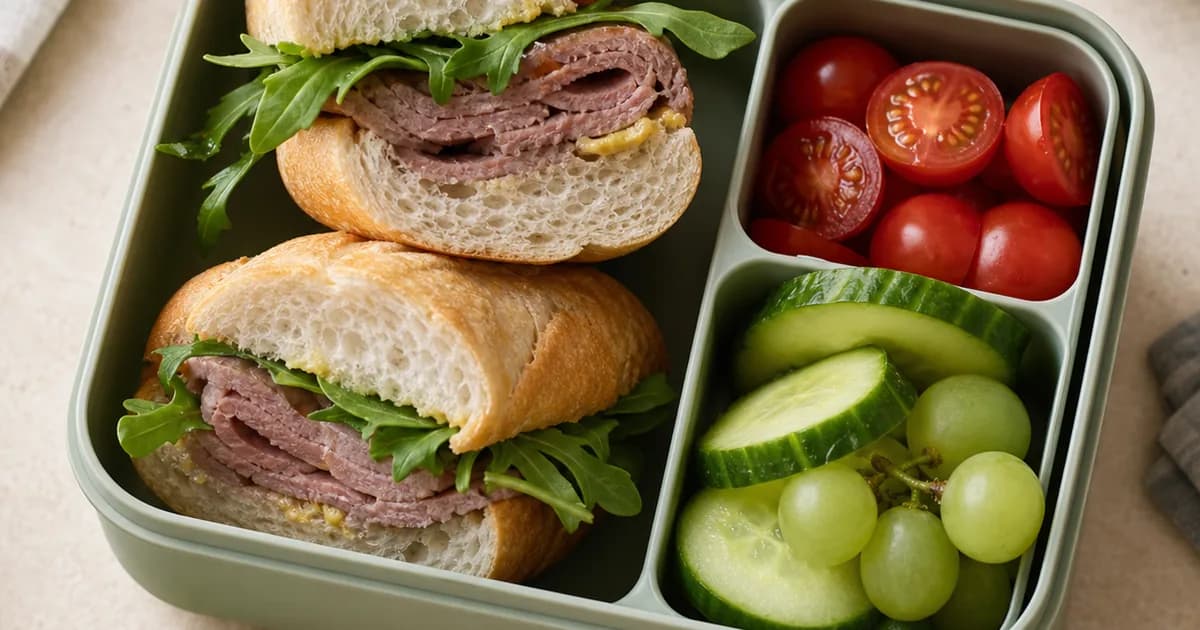
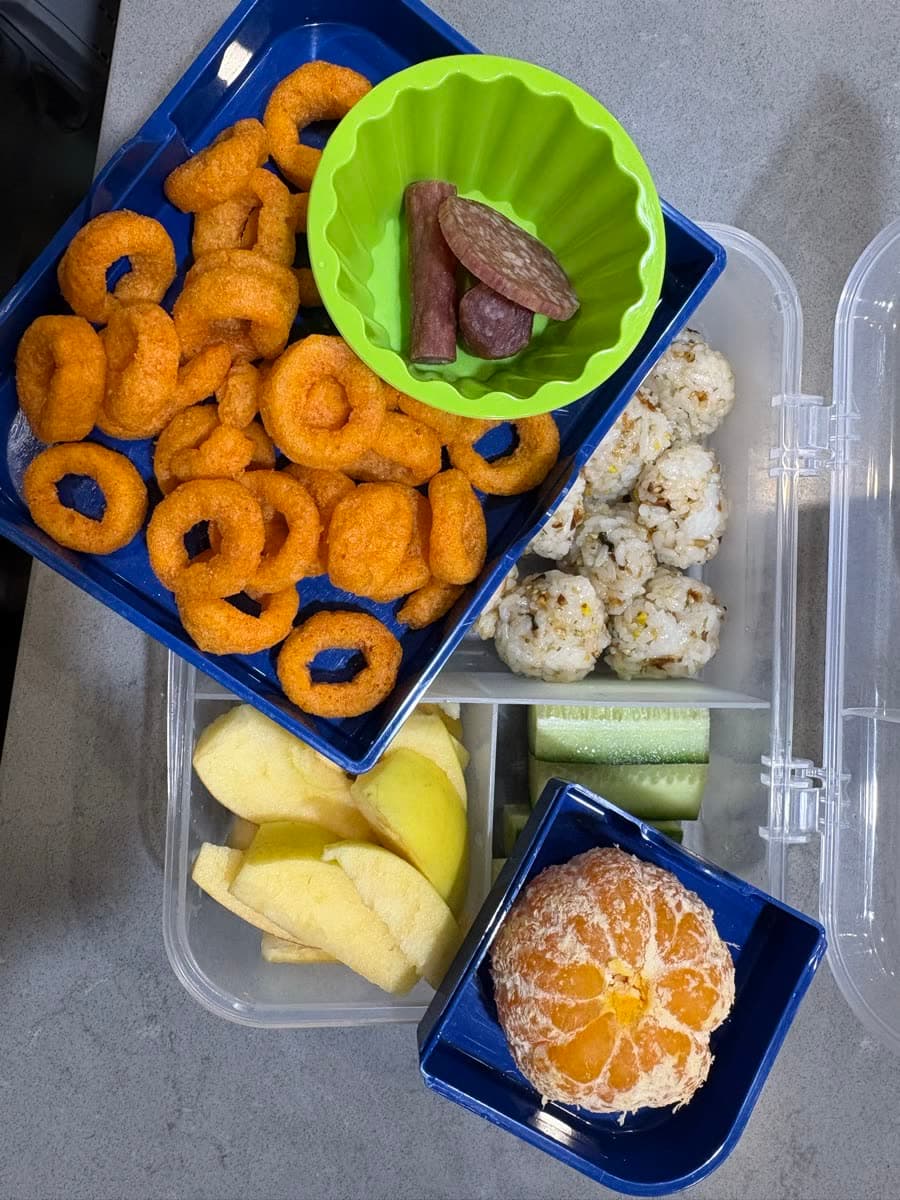
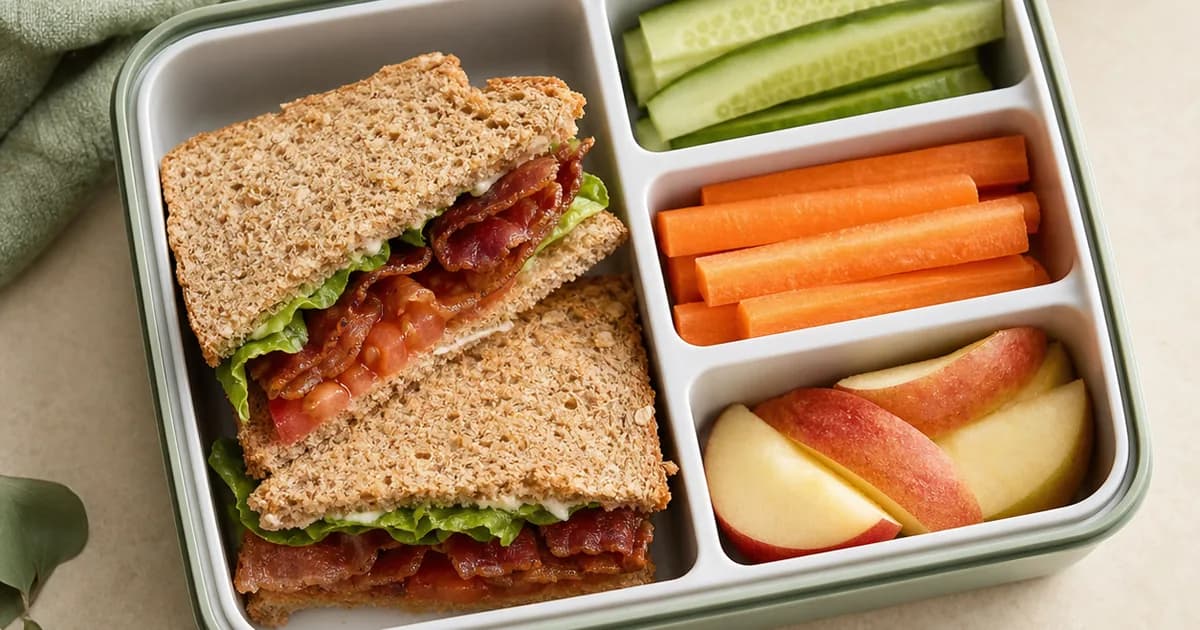
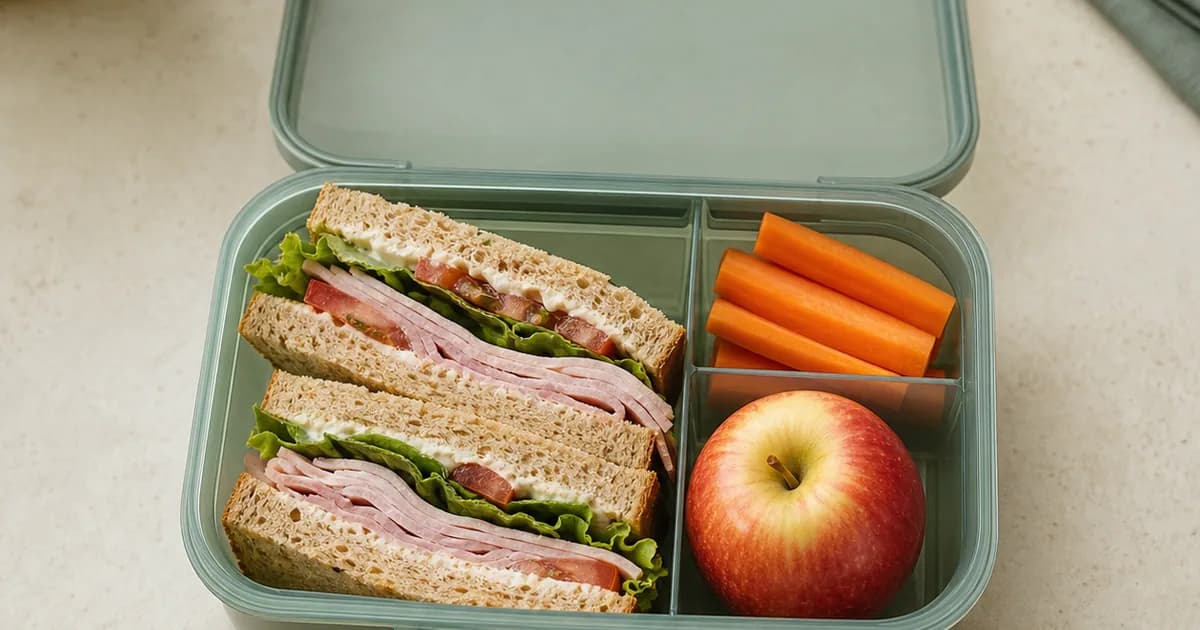
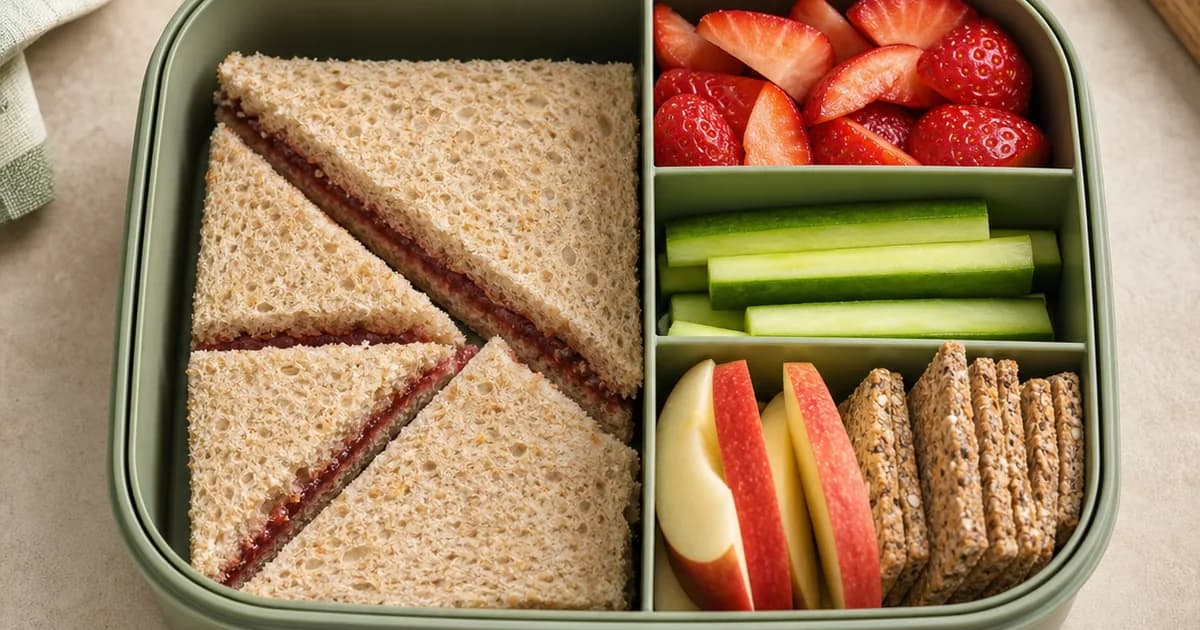
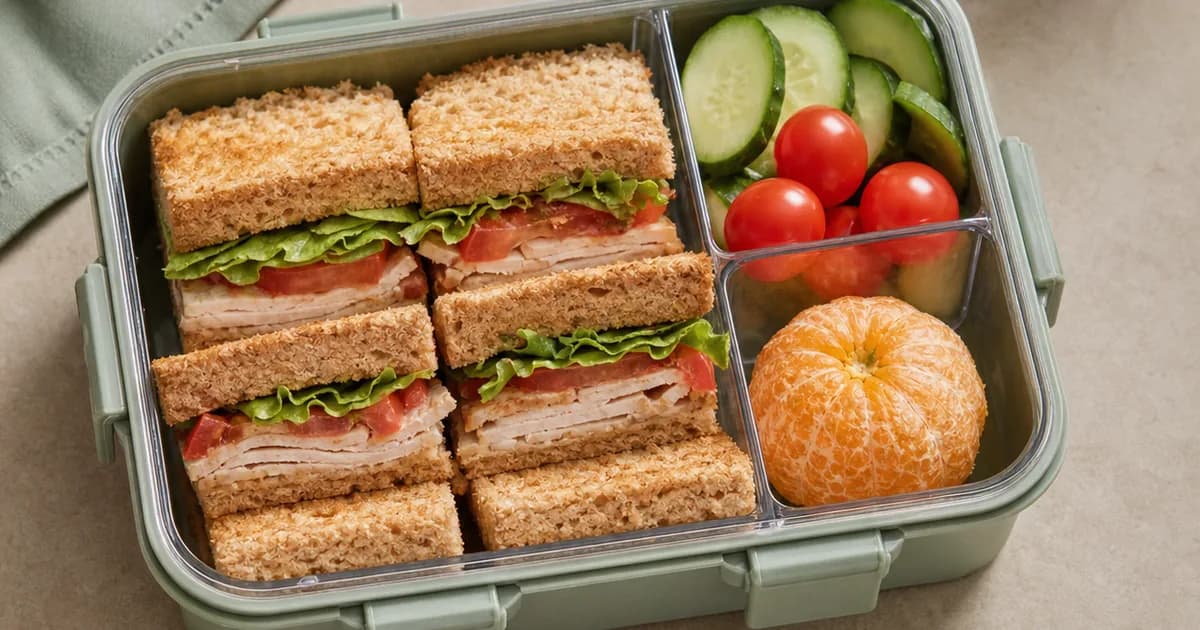
My daughter is genuinely good with vegetables — cucumber, carrot and capsicum sticks disappear from her lunchbox while other things come home half-eaten — and I pack seasonal fruit every single day. So spring is the easy season in our house: when the winter prices on produce finally drop at Pak'nSave, the lunchbox gets cheaper and more colourful at the same time. These are the NZ-spring ideas I build around the fruit and veg my kid actually eats.
Why Seasonal Eating Matters for Lunchboxes
Eating seasonally isn't just a trendy concept — it's one of the most practical ways to save money and improve the quality of your child's lunchbox. (Our NZ seasonal produce calendar breaks down what's cheapest and freshest each month.) Seasonal produce in New Zealand is:
- Cheaper: the seasonal swing is real, but uneven. Between our May and October rounds carrots fell 27% — but it is not a clean story: no vegetable on our list rose over the same period, and yet the protein on the list went the other way sharply
- Fresher: Less time in transport and cold storage means better taste and more nutrients
- More sustainable: Lower food miles and less energy-intensive growing methods
- More flavourful: Kids are more likely to eat produce that actually tastes good
NZ spring (September to November) brings a wonderful transition from winter root vegetables to lighter, brighter produce.
What's in Season in NZ Spring
Vegetables:
- Asparagus (September-November) — NZ-grown asparagus is world-class
- New potatoes (October onwards)
- Spring onions
- Peas and snow peas
- Baby spinach (year-round but thrives in spring)
- Lettuce and salad greens
- Radishes
- Broad beans
Fruit:
- Strawberries (October-November, early season)
- Kiwifruit (Zespri gold, late season)
- Citrus (mandarins winding down, oranges still going)
- Apples (NZ-stored from autumn harvest, still good quality)
What to avoid in spring (expensive because they're off-season):
- Stone fruit (not until December)
- Berries other than strawberries (not until summer)
- Capsicums (expensive until mid-spring)
- Tomatoes (still pricey until November)
What Actually Happened to Prices Between May and September
Seasonal advice is easy to give and hard to check, so here is what our own tracking shows. We price the same 20 lunchbox staples at Woolworths and record the regular shelf price — not the weekly special — and these are the moves from our May round to our latest round, read on 18 October 2026:
| Item | May | October | Change |
|---|---|---|---|
| Iceberg lettuce | $3.49 | $2.20 | −37% |
| Pasta 500g | $2.49 | $1.79 | −28% |
| Carrots 1kg | $2.99 | $2.19 | −27% |
| Bagels 4-pack | $4.50 | $3.79 | −16% |
| Wholegrain bread 700g | $4.50 | $4.40 | −2% |
| Shaved ham 200g | $5.50 | $5.99 | +9% |
| Bananas 1kg | $3.49 | $3.99 | +14% |
| Eggs 12-pack | $9.49 | $11.79 | +24% |
| Butter 500g | $6.49 | $9.70 | +49% |
| Canned tuna 185g | $2.70 | $4.50 | +67% |
Two rows are missing from that table, and it is worth saying why rather than quietly dropping them. Apples were in it at −1% until we changed what the apples row measures: the index tracked loose Royal Gala, Pak'nSave Ormiston does not sell Royal Gala loose, and the row could never be compared across the two stores. It now tracks Granny Smith, which both sell by the kilo. Cheese is out for a blunter reason — the May figure looks like a supermarket own-brand block and the September one is Mainland, so the +6% it would have shown is a change of brand, not a change in the price of cheese.
That points at a real limit of the older half of this table. We only started pinning each row to a specific product on 30 July 2026. The May round was walked in store against the same written specs — 500g of butter, a 185g can of tuna, a dozen eggs — but the exact brand behind each line was not recorded at the time. Tight specs make a brand swap unlikely on most rows, and the overall direction here is broad enough to survive a wobble on any single one. An individual percentage from before that date is worth less than the pattern it sits in, and we would rather say so than let the table imply a precision it does not have. Everything from 30 July on is pinned by product code, so the same problem cannot recur.
The pattern is not subtle: the vegetables held steady or fell while most of the protein and dairy rose sharply. Iceberg lettuce, pasta and carrots came down by 20% or more. Canned tuna, butter and eggs went up by 20% or more.
That changes what "eat seasonally to save money" actually means in practice. The saving is real on the produce side, and it is being swallowed on the dairy and protein side — so the spring swap that helps most is the one that leans on cheap in-season vegetables without adding an expensive protein alongside it.
Full basket, both stores, with dates: NZ Lunchbox Price Index.
Spring Lunchbox Idea 1: Asparagus & Cheese Tarts
Ingredients (makes 6 small tarts):
- 1 sheet frozen puff pastry (~$1.00)
- 6 asparagus spears, trimmed and halved (~$1.50 for a small bunch)
- 1/2 cup grated cheese (~$0.75)
- 1 egg (~$0.40)
- 2 tbsp cream or milk (~$0.10)
Total: ~$3.75 | Per tart: ~$0.63
Method: 1. Cut pastry into 6 rectangles. Place on a lined tray. 2. Score a 1cm border around each rectangle (don't cut through). 3. Whisk egg and cream. Pour a little inside each border. 4. Lay asparagus pieces inside. Sprinkle with cheese. 5. Bake at 200C for 15-18 minutes until golden and puffed. 6. Cool. These freeze well for up to 2 months.
NZ asparagus season is short (roughly 8-10 weeks), so make the most of it. Waikato and Manawatu produce some of the best asparagus in the country.
Spring Lunchbox Idea 2: New Potato Salad
Ingredients (makes 3-4 lunchbox serves):
- 500g new potatoes (~$2.50)
- 2 spring onions, sliced (~$0.30)
- 2 tbsp mayo (~$0.20)
- 1 tbsp wholegrain mustard (~$0.15)
- Handful of fresh parsley (~$0.30)
- Salt and pepper
Total: ~$3.45 | Per serve: ~$0.86
Boil new potatoes until tender (about 15 minutes). Cut in half. Toss with spring onion, mayo, mustard, and parsley while still warm (they absorb the dressing better). Cool and portion.
NZ new potatoes in spring are so creamy and flavourful they barely need seasoning. Pair with some sliced ham or chicken for a complete lunchbox meal.
Spring Lunchbox Idea 3: Strawberry & Cream Cheese Wraps
Ingredients per wrap:
- 1 flour tortilla (~$0.40)
- 2 tbsp cream cheese (~$0.30)
- 4-5 strawberries, sliced (~$0.50)
- Drizzle of honey (~$0.05)
Total: ~$1.25
This sweet wrap is a spring treat. Spread cream cheese on the tortilla, layer sliced strawberries, drizzle with honey, and roll. Cut in half. Kids love the combination of creamy and fruity.
Buying tip: Early-season NZ strawberries (September-October) are more expensive — around $5-$6 per punnet at Woolworths. By late October/November, prices drop to $3-$4. The sweetest strawberries come from Hawke's Bay and Auckland regions.
Spring Lunchbox Idea 4: Pea & Mint Rice Salad
Ingredients (makes 3 serves):
- 2 cups cooked rice (~$0.30)
- 1 cup frozen peas, thawed (~$0.50)
- Fresh mint leaves, chopped (~$0.30)
- 1 tbsp olive oil (~$0.10)
- Juice of 1/2 lemon (~$0.20)
- 30g feta, crumbled (~$0.60)
Total: ~$2.00 | Per serve: ~$0.67
Mix everything together while the rice is still slightly warm. The peas add sweetness and protein, the mint adds freshness (very spring), and the feta adds a salty tang. This holds well in a lunchbox all morning.
Frozen peas are one of the most underrated lunchbox ingredients. They're cheap, nutritious, sweet enough that most kids like them, and they thaw by themselves in the lunchbox by lunchtime (or thaw them in warm water for 2 minutes in the morning).
Spring Lunchbox Idea 5: Snow Pea & Hummus Crunch Box
Ingredients:
- 15 snow peas (~$0.60)
- 2 tbsp hummus (~$0.40)
- Carrot sticks (~$0.15)
- 4 rice crackers (~$0.30)
- 1 kiwifruit (~$0.40)
Total: ~$1.85
Snow peas are a spring superstar. They're sweet, crunchy, and kids can eat them raw like chips. Most NZ kids who "don't eat vegetables" will happily munch raw snow peas — try it if you haven't already.
Available at both Woolworths and Pak'nSave, typically $4-$5 per 200g bag in spring (cheaper at Asian grocers, often $2-$3).
Spring Produce Price Guide (NZ, September-November)
| Produce | Approx. Price | Best Value Month |
|---|---|---|
| Asparagus (bunch) | $3.00-$5.00 | October |
| Strawberries (punnet) | $3.00-$6.00 | November |
| New potatoes (kg) | $3.00-$4.50 | October-November |
| Snow peas (200g) | $4.00-$5.00 | October |
| Spring onions (bunch) | $2.00-$3.00 | Throughout spring |
| NZ apples (kg) | $3.00-$4.00 | Throughout spring |
| Kiwifruit (each) | $0.30-$0.60 | September (end of season) |
| Mandarins (kg) | $4.00-$5.00 | September (end of season) |
Spring Baking: Using Seasonal Ingredients
Spring is a great time to update your Sunday baking rotation with seasonal produce:
Strawberry Muffins (Makes 12, ~$0.35 each):
- 2 cups self-raising flour
- 1/2 cup sugar
- 1 egg
- 3/4 cup milk
- 1/4 cup oil
- 1 cup chopped NZ strawberries
Mix dry, mix wet, combine gently, fold in strawberries. Bake 180C for 20 minutes. Freeze extras.
Asparagus & Feta Scrolls (Makes 10, ~$0.45 each):
- 2 cups self-raising flour + 1/2 cup milk + 30g butter = quick dough
- Roll out, spread with cream cheese, lay asparagus spears and crumbled feta
- Roll up, slice, bake at 200C for 15 minutes
These make use of the short asparagus season (just 8-10 weeks) and freeze well for 2 months.
Spring Lunchbox Weekly Plan
| Day | Main | Seasonal Highlight | Cost |
|---|---|---|---|
| Mon | Asparagus & cheese tart + ham | NZ asparagus | $1.80 |
| Tue | New potato salad + chicken | New potatoes, spring onion | $1.60 |
| Wed | Strawberry cream cheese wrap + cheese sticks | NZ strawberries | $1.75 |
| Thu | Pea & mint rice salad + crackers | Fresh peas, mint | $1.40 |
| Fri | Snow pea crunch box + hummus | Snow peas | $1.85 |
Weekly total: ~$8.40 for the mains in the table — see the note below for what a complete box costs.
Note, July 2026. These per-day figures came from an earlier costing model we've since found unreliable, so read them as indicative. Seasonal produce genuinely does bring a box down, but a full lunchbox including a fruit and a second snack has a median of about $3.70 across our menu set on current numbers. The free planner costs a week on live prices.
Where to Find the Best Spring Produce in NZ
Supermarkets: Woolworths and Pak'nSave both stock NZ-grown asparagus, strawberries, and snow peas in spring. Prices tend to be highest in early September and drop as the season progresses into October and November.
Farmers' markets: Often the best value for spring produce. Asparagus from Waikato or Manawatu growers is frequently cheaper and fresher than supermarket stock. Strawberry growers from Hawke's Bay and Auckland often sell punnets at market for $3-$4 — compared to $5-$6 at Woolworths.
Pick-your-own: Several NZ regions offer pick-your-own strawberry farms (especially Auckland, Waikato, and Hawke's Bay). A family outing that also stocks the lunchbox at wholesale prices — often $8-$12 per kg, with the fun factor included.
The garden: Spring is planting season. A single strawberry plant (~$5 from Mitre 10) produces fruit from October through March. Snow peas grow easily from seed and produce prolifically within 8-10 weeks of planting.
Transitioning from Winter to Spring Lunchboxes
Spring in NZ is unpredictable — September can still feel like winter, while November can be genuinely warm. Adjust your lunchbox strategy:
Early spring (September): Continue with thermos soups and warm options. Citrus is still available and cheap. Start introducing early-season snow peas and asparagus as they appear.
Mid spring (October): Transition to a mix of warm and cold options. Pack an ice pack on warmer days. Strawberries start appearing but are premium-priced — wait for prices to drop.
Late spring (November): Shift fully to cold lunchbox strategies. Strawberries are now affordable. Salads, wraps, and fresh fruit take centre stage. Remember ice packs — November days can hit 22-25C.
Throughout spring, keep an eye on your local Woolworths and Pak'nSave weekly specials — as NZ-grown produce comes into season, supermarkets often run promotional pricing that makes seasonal items even cheaper than usual. The Woolworths app and Pak'nSave website both list current specials. Some Woolworths specials are Everyday Rewards member prices, so check whether a deal needs the card before you count on it.
Spring Gardening for NZ Lunchboxes
Spring is the ideal planting season in New Zealand. Even a small garden bed or a few pots on a balcony can produce lunchbox ingredients:
Plant now for Term 4 lunchboxes:
- Cherry tomato seedlings (from Mitre 10 or Bunnings, ~$5 each) — plant in September, harvest from December. One plant produces hundreds of tomatoes over summer.
- Snow pea seeds (~$4 per packet) — sow directly into soil in September. Harvest in 8-10 weeks. Kids love picking and eating them straight from the plant.
- Lettuce seedlings — plant every 3 weeks for continuous supply. A $3 punnet of seedlings produces salad for months.
- Strawberry plants (~$5 each from garden centres) — plant in September, harvest from October through March. A dozen plants produce enough for daily lunchbox strawberries through summer.
The NZ school garden connection: If your school has a Garden to Table programme, spring is when planting happens. Encourage your child to participate — children who grow food are more likely to eat it. Some schools send surplus garden produce home with students, which is a free source of lunchbox vegetables.
Spring Food Safety Considerations
Spring in NZ is unpredictable — temperatures can swing from 12C to 25C in a single week. This affects lunchbox food safety:
September (still cool): Thermos soups are still appropriate. Ice packs may not be necessary on cool days, but keep one in the bag for unexpected warm spells.
October (warming up): Start using ice packs regularly. Dairy items (cheese, yoghurt) need cold storage. The transition month means packing for variable conditions — include both a thermos option and cold items, letting your child choose based on the day's temperature.
November (approaching summer): Full summer food safety mode. Ice packs are essential every day. Avoid mayo-based fillings on days forecast above 25C. A frozen water bottle serves double duty — keeping food cold and providing a refreshing drink by lunchtime.
New Zealand Food Safety puts the danger zone at 5°C to 60°C and says food should not sit in it for more than four hours. On a warm November day, a lunchbox packed at 8am without an ice pack is well inside that zone by 10am — and the clock has been running since it left the fridge, not since the bell went.
Plan Seasonal Lunchboxes
The Kiwi Lunchbox Planner does not know what month it is — it has no seasonal logic, so it will not steer you to asparagus in October. The seasonal choices in this article are yours to make. What it can do: type something already in your fridge into Fridge Leftovers and it will favour menus that use it, and every box is costed on the Woolworths prices we read each week.
About this article
This article was researched and written by Yong Jae Lee, a parent based in Auckland who runs Kiwi Lunchbox as a solo project. I am not a dietitian or a health professional, so nothing here is medical advice. Where an article rests on desk research rather than something I have cooked or used myself, it says so, and nutrition writing is aligned with New Zealand's healthy eating guidelines. If you spot an error or have a suggestion, please contact us.