Yong Jae Lee
Published: September 10, 2026 · Reviewed: September 2026 · 5 min read
Researched and written by Yong Jae Lee · Content follows NZ Ministry of Health guidelines
I read the allergen label on 95 tracked NZ supermarket products. 15 declare something the name never suggests, and 47 carry a "may contain" warning.
I did not set out to write this. I was fixing the planner — it was picking snacks without checking anyone's allergy settings — and to fix it properly I had to stop guessing from names and read what the packets actually declare. That meant reading the allergen label on every product I track.
I track 198 products for the planner's prices. 95 of them carry an allergen label in the retailer's product listing. Most of the rest are loose produce, meat and pantry basics, but not all — packaged foods such as croissant, muffin, ciabatta, paneer, salami and gluten-free pasta also came with nothing in the allergen field. For those, the planner uses tags I set by hand.
What came back was more interesting than the bug.
The name is not the label
15 of those products declare an allergen that nothing in the product name suggests. Not a trace warning — a declaration, the bold "Contains" line.
| Ingredient | Product | Declares |
|---|---|---|
| Bao Buns | united food co bao buns 480g | Milk, Sesame |
| Chicken Skewers | woolworths cook nz chicken kebabs satay | Gluten |
| Croutons | fresh produce salad croutons garden herb | Gluten |
| Curry Spices | greggs curry powder | Gluten, Sesame |
| Dairy-Free Pesto | veesey vegan fresh pesto chilled dairy free | Nuts |
| Dumpling Wrappers | lian huat dumpling pastry | Egg |
| Gluten-Free Bread | vogels gluten free sliced bread white | Egg |
| Hoisin Sauce | woolworths hoisin sauce | Gluten, Sesame |
| Pesto | genoese fresh pesto chilled ground with fresh basil | Nuts, Milk |
| Pesto/Mayo | barilla pesto alla genovese | Nuts, Milk |
| Rice Bubbles | woolworths cereal rice pops | Gluten |
| Rice Wheels | healtheries snack rice wheels chicken | Milk |
| Roti | giannis roti street style | Milk |
| Teriyaki Sauce | passage to asia stir fry sauce teriyaki chicken | Sesame |
| Wholegrain Crackers | woolworths brown rice crackers multigrain | Sesame |
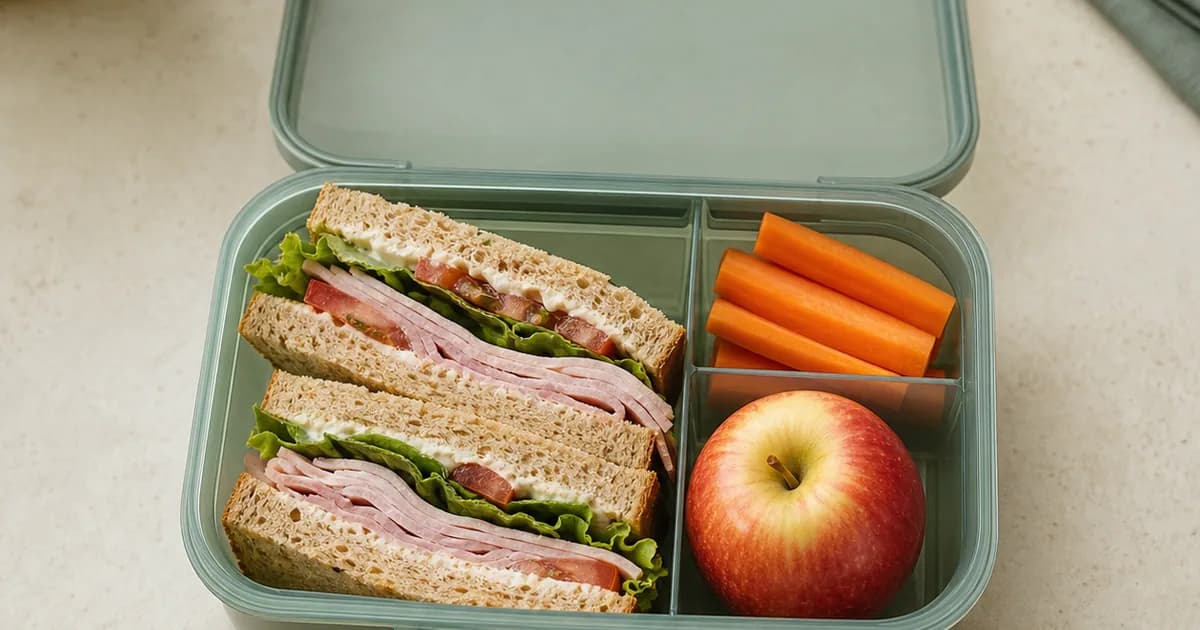
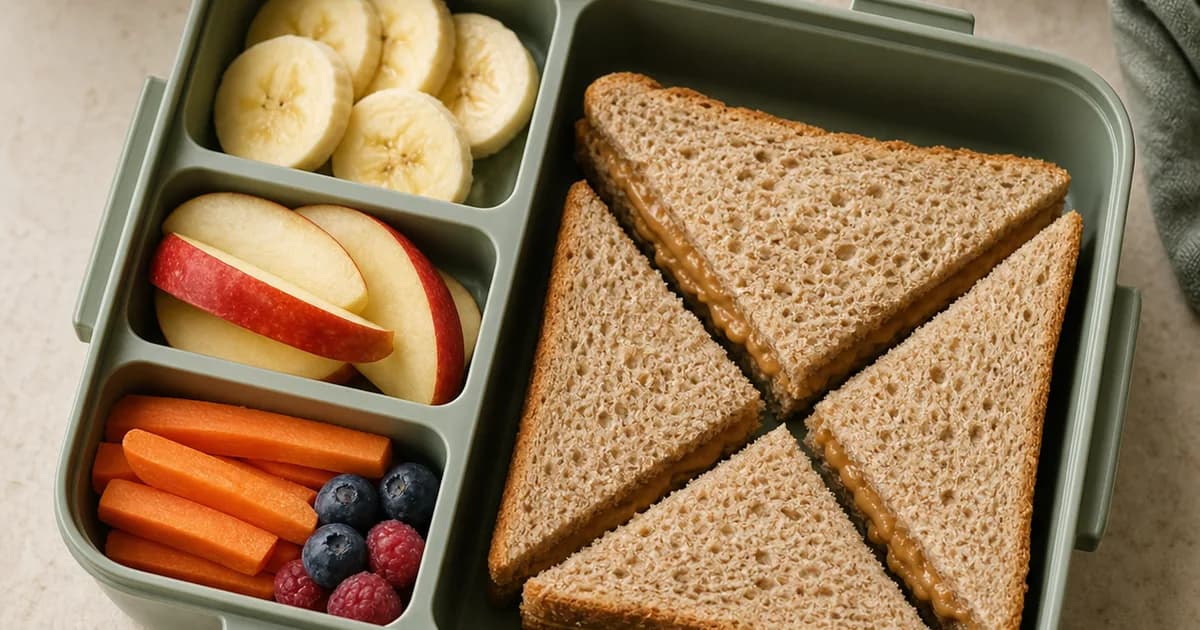
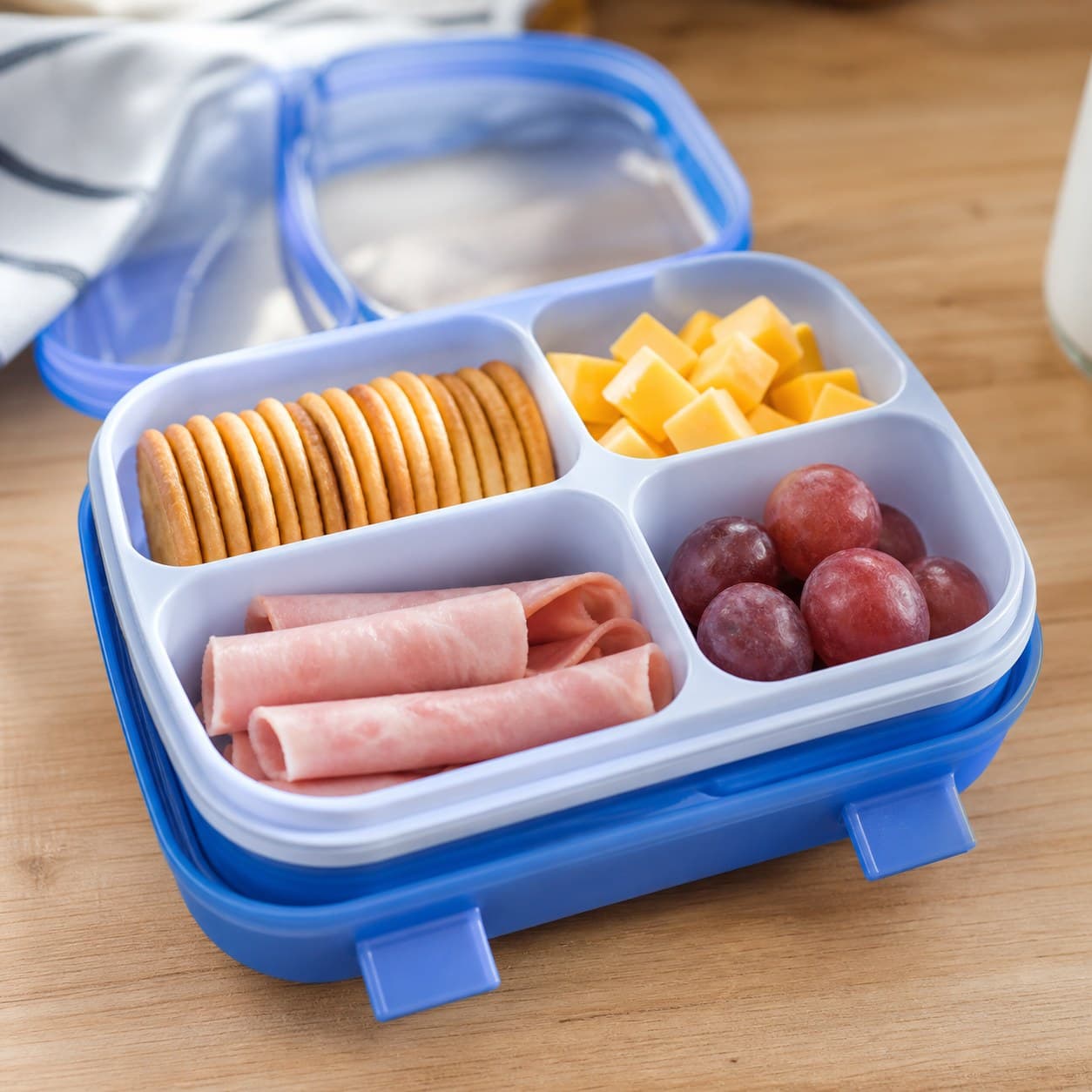
Read that list as a parent packing around an allergy. Rice crackers with sesame. A rice cereal with gluten. Roti with milk. A chicken-flavoured rice snack with milk in it. None of those are obscure products; they are the ordinary contents of an ordinary lunchbox.
This is the whole reason our planner reads labels instead of names. A tag written from the recipe name would have passed every one of these. Sesame turned out to need its own article: almost every bread we track carries a sesame warning.
"Free from" tells you what it is free from
The free-from aisle is the sharpest version of the same problem. A product named for the thing it removes says nothing about what remains.
| Ingredient | Product | Declares | May contain |
|---|---|---|---|
| Dairy-Free Pesto | veesey vegan fresh pesto chilled dairy free | Nuts | — |
| Gluten-Free Bread | vogels gluten free sliced bread white | Egg | Sesame |
| Gluten-Free Flour | freshlife rice flour gluten free | — | Nuts, Milk, Sesame |
A dairy-free pesto that declares tree nuts. A gluten-free bread that declares egg. A gluten-free flour with a warning covering peanuts, tree nuts, milk and sesame. Each of those is doing exactly what it says on the front — and none of them is safe to hand to a child with a different allergy on the strength of that front label.
The warnings outnumber the declarations
Every figure so far has been about declared allergens. The other half of a label is the precautionary line: "may be present", "made on a line that also produces", "packed in a facility where".
| Allergen | Products that declare it | Products that only warn |
|---|---|---|
| Nuts | 5 | 24 |
| Milk | 19 | 22 |
| Egg | 6 | 11 |
| Gluten | 35 | 14 |
| Sesame | 9 | 19 |
47 of the 95 labelled products carry at least one such warning.
Look at the nuts row. 5 products declare nuts. 24 more warn about them without declaring. A parent who reads only the bold line sees the first number. A school with a nut-free policy is, in practice, dealing with the second.
I am not going to tell you what to do with that, because the two honest answers point in opposite directions and which one is right depends on the child. Some families treat a precautionary warning as a hard no. Others would never get a packed lunch out the door if they did. That is a decision for you and whoever manages the allergy, not for a website.
What our planner does with this, and why
When you tick an allergy filter, the planner excludes snacks on declared allergens only. A "may contain" warning does not remove a snack.
That is a choice, and it is worth saying out loud rather than burying it. If precautionary warnings excluded items too, 47 of 95 products would drop out and the filter would return so little that it would stop being useful. So the line we drew is the one a label-reading parent draws at the shelf: the bold line decides, the warning is information you weigh yourself.
Two more limits, stated plainly:
- We track one product per ingredient. The label we read is that product's label. Yours may be a different brand with a different line.
- Manufacturers change formulations. These labels are what the retailer published on the day we read them, and one of our pinned products quietly became a different item in September 2026 — same code, same price, different product. If it can happen to us it can happen on the shelf.
So this article is not "we checked, you're fine". It is the opposite: here is how often the name and the label disagree, which is why the packet in your hand is the only thing that settles it.
The free-from products in this set have a price story as well as a label one, and the two turn out to be connected — what gluten-free and dairy-free swaps actually cost puts numbers on the premium and then reads the same labels back. For the cooking side of it, gluten-free school lunches in New Zealand is the practical version.
The data
The label readings behind every number here are in allergen-labels.csv — one row per product, with the declared allergens, the precautionary text, and the date we read it. Published under CC BY, like the price data.
If you want the planner side of this: set your filters and generate a week. Snacks are filtered on these labels. Main meals are filtered on dietary flags I set by hand for each recipe, and the labels are used to check those flags rather than to replace them.
About this article
This article was researched and written by Yong Jae Lee, a parent based in Auckland who runs Kiwi Lunchbox as a solo project. I am not a dietitian or a health professional, so nothing here is medical advice. Where an article rests on desk research rather than something I have cooked or used myself, it says so, and nutrition writing is aligned with New Zealand's healthy eating guidelines. If you spot an error or have a suggestion, please contact us.